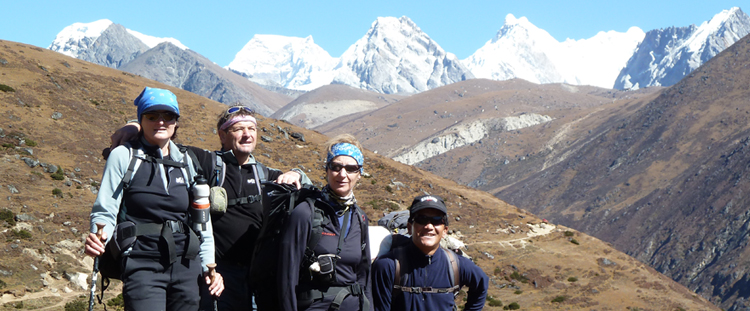
DHAULAGIRI EXPEDITION DETAILS – 8167M / 26,796 FT
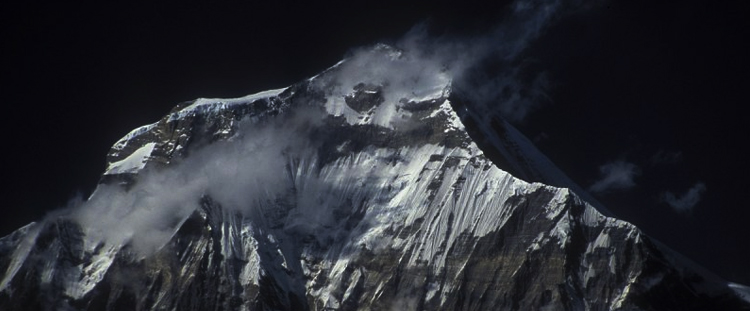
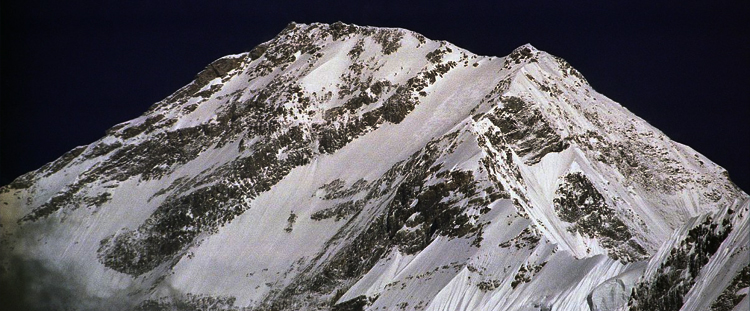
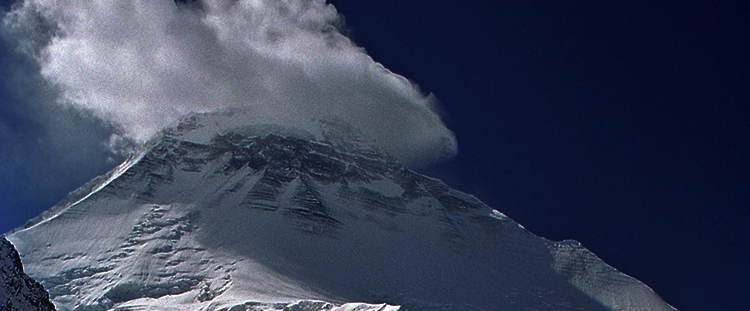
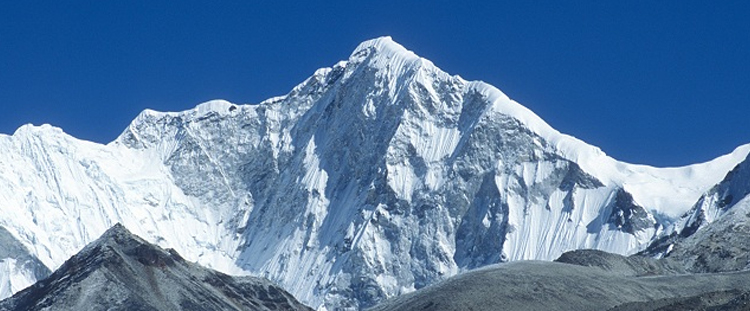
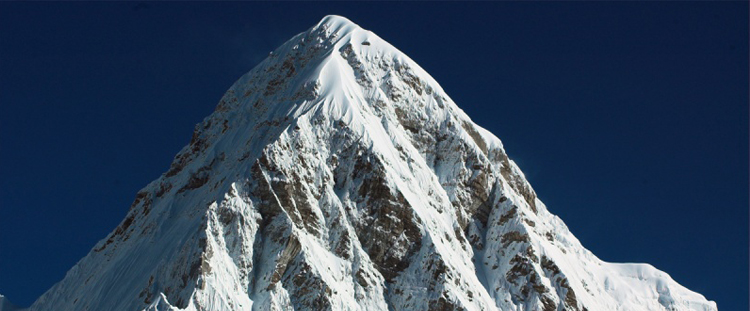
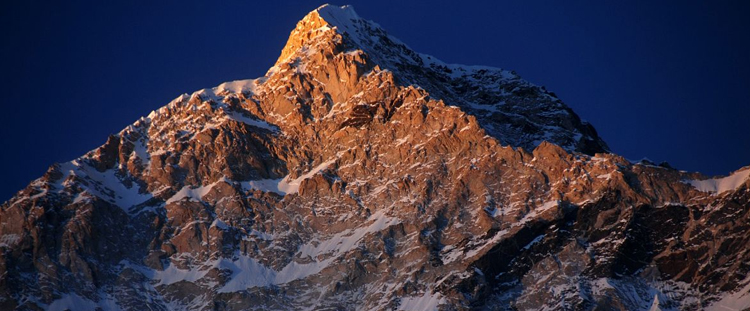
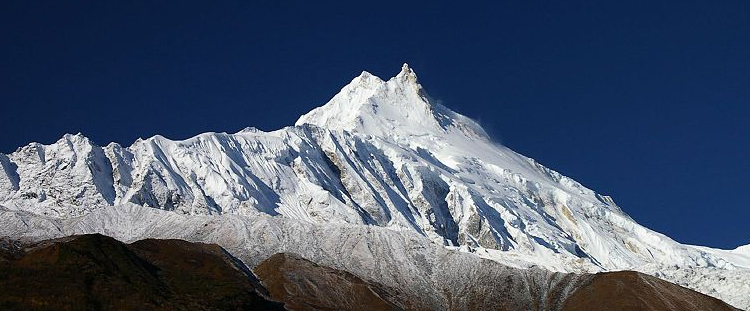
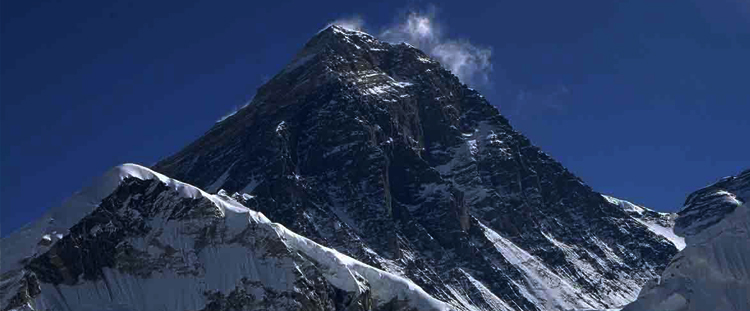
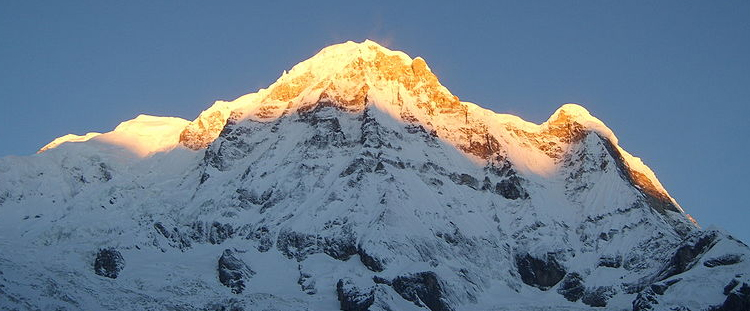
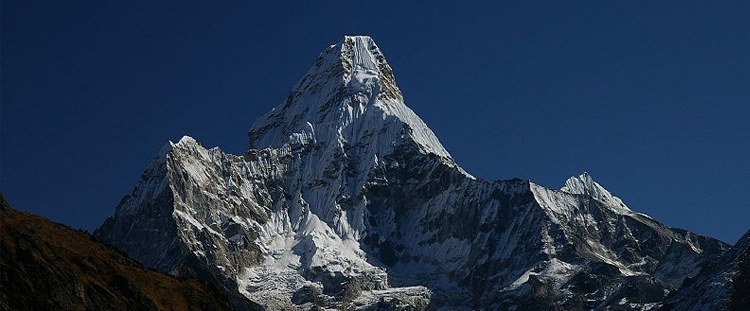
Mount Dhaulagiri is the seventh highest mountain in the world. It is an enormous Himalayan massif, located in north central Nepal. It is the highest mountain located entirely within Nepal. Mount Dhaulagiri’ s crest stretches for thirty miles, lending structure to an otherwise tangled topography of twisting ridges, glaciers, and ice falls. Along the main crest, several pyramid-shaped peaks rise. Four of these summits, numbered from east to west, rise above 25,000 feet.
Mount Dhaulagiri (8167m.) was first climbed by the Swiss in 1960. Its name is derived from Sanskrit ” Dhavala means” means “White” and girl is “Mountain” The mountain was sighted by British surveyors in India in the early 1800s and was mapped by one of the secret Indian surveyors, the pundits, in 1873; but the region remained largely unknown until a Swiss aerial survey in 1949. The French mount Annapurna expedition in 1950 had permission to climb either Annapurna or Dhaulagiri but decided on Annapurna after a reconnaissance of Dhaulagiri. A Swiss party failed in 1953 as did an Argentine group one year later. After four more expeditions had failed, eight members of a Swiss expedition reached the summit in 1960. The climb followed a circuitous route around the mountain from Tukuche, over Dhampus pass.
As French Col, to approach the summit from the North-East Col., The expedition was supplied by a Swiss Pilatus Porter aircraft, the “Yeti” which landed on the North-East Col at 5977m. Near the end of the expedition the plane crashed near Dhampus pass and the pilots, including the famous Emil Wick, walked down the mountain to Tukuche.
Essential Information
Visa Information
Immigration Offices, under Department of Immigration have been facilitating tourists flying to Nepal by providing Visa on Arrival. 'On Arrival' visa procedure is very quick and simple. You can expect some queues during peak Tourist season. If you wish to skip those queues, you can also consider getting Visa from Nepalese Diplomatic Missions stationed abroad prior to your arrival. Choice is yours.
If you have obtained visa from Nepalese Diplomatic Missions, then you must enter Nepal within six months from the visa issued date. Your total stay is counted starting from the day you enter into Nepal.
Visas obtained on Arrival at the Entry and Exit points are 'Tourist Visas'. They bear multiple Re entry facility. Tourist Visa 'On Arrival' is the only entry visa to Nepal. If you are visiting Nepal for the purposes other than Tourism (sightseeing, tour, travel, mountaineering, trekking, visiting friends and families), you should still get ' Tourist Visa' to get into the country. However, you must change the category of visa as per your purpose and length of stay in Nepal from Department of Immigration by producing required documents.
Useful Tips:
A travel insurance policy that covers medical treatment is recommended for all tourists.
Similarly, we recommend you to make sure that the insurance covers activities such as trekking, hiking, adventure activities, rafting etc. that you will be undertaking during your stay in Nepal
Getting special vaccinations is not necessary when visiting Nepal.
We still recommend that you consult with your physician regarding special immunizing against any tropical disease.
It may be a good idea to get a complete checkup before departure.
We recommend that you undertake training programs to be physically fit if you plan to go high-altitude trekking or mountaineering when you’re visiting Nepal.
Please read up on altitude sickness (AMS) , diarrhea, Giardia, Dysentery, Cholera, Hepatitis, Rabies, Typhoid, Tetanus, Meningitis, Diphtheria, Malaria and HIV/ AIDS. Information and little precautions can often save lives.
Always make sure that your water is clean by opting for boiled and then cooled water, treated water or sealed water from a brand.
Always carry a bottle of water when trekking or venturing off away from the city/ town.
Please do not swim in lakes and water bodies, especially where depth and vegetation are not known.
Always carry and use mosquito repellant when in Terai region or during the summer.
Please have a handy medical first aid kit ready for any situation.