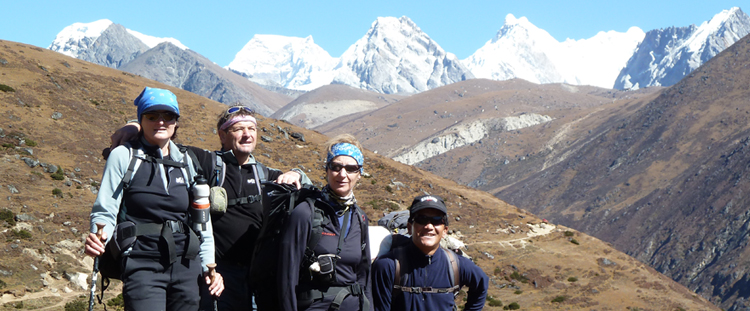
Mt. MAKALU EXPEDITION DETAILS (8463M.)
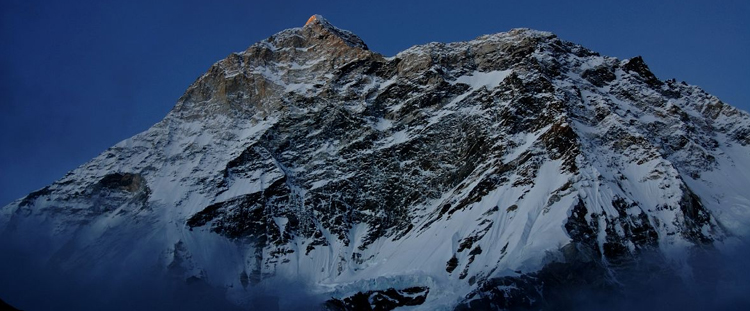
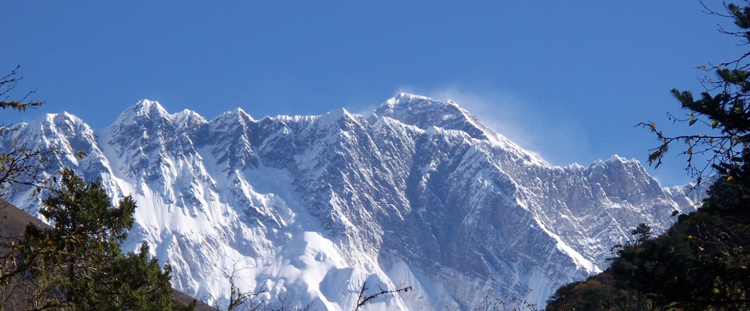
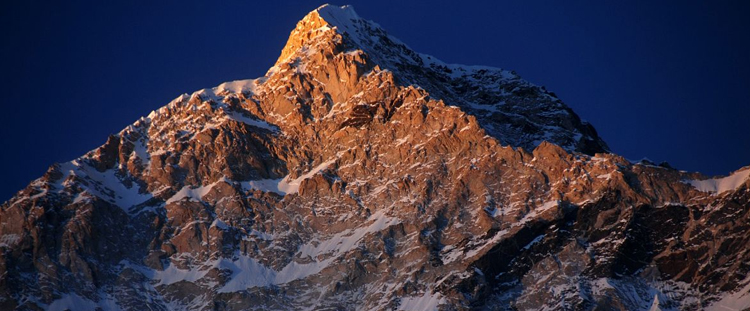
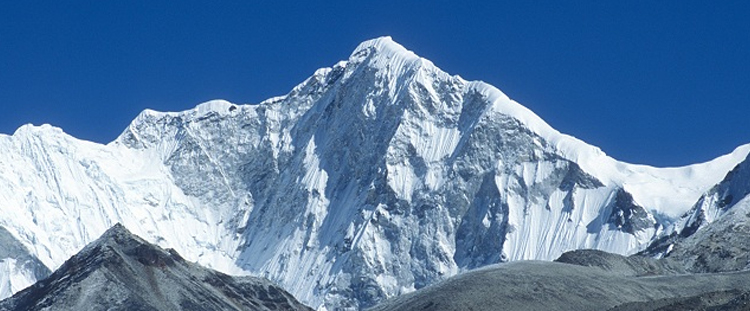
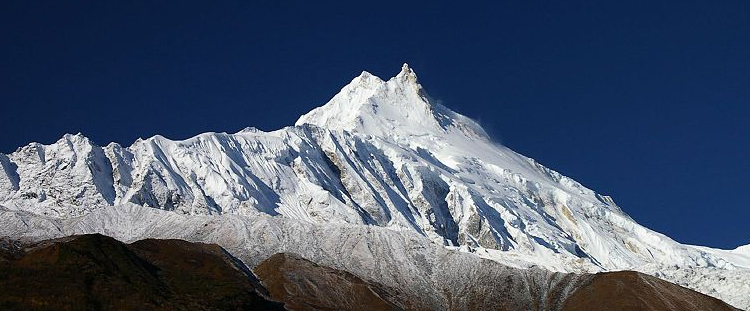
Mt. Makalu Was first climbed by a French party in 1955. The peak was first mapped and photographed from the Tibetan side by the 1921 British Everest reconnaissance. Hillary and Shipton photographed mount Makalu on the 1951 Everest reconnaissance. Hillary and others approached the peak a year later after the failure of their mount Cho Oyu expedition.
The first attempt on mount Makalu was in 1954 by a US team, mostly from California , who trekked all the way from the Indian border near Biratnagar. At the same time a British team approached the mountain, but this expedition was abandoned when Hillary became seriously ill and had to be evacuated.
In the autumn of 1954 a French team attempted the peak. In the following spring, successfully ascents were made by three teams of French climbers on successive days.
The Japanese climbed mount Makalu in 1970, another French team climbed it in 1971 and a Yugoslav expedition reached the summit in 1975.
Makalu West Face
It is very adventurous route to climb because it is a little bit dangerous as well. The 5 attempts were made before climbing this Mount Makalu Mountain; then only it was succeeded in the final.
The West Face was successfully scaled in 1997. The Russian expedition had taken the route of this West Face of mount Makalu, leaded by Sergey Efimov and climbed the top on 21st of May via the most difficult route. The last part of the route had gone on Parago ridge. Alexei Bolotov, Yuri Ermachek, Dmitri Pavlenko, Igor Bugachevski and Nikolai Jiline had climbed on the top of mount Makalu at this time For this ascent they were awarded the “Gold ice-axe”.
The routes are of 4 parts:
The bottom part starts from the base of the West Face at 5,800 meters and climbs to the hanging ice-fall at 6,100 meters to the right part of the ice-fall. The second part extends from the plateau above the ice-fall along 35 to 45 degree elevation’s rock up to the 6,500 meters high. The next section is an ice-rock wall, 50 to 55 degrees steep & that extends to 7,400 meters height. The last final section begins 70 to 75 degree elevation’s rock pillar, which leads to the west ridge at 8,000 meters height till to the top of the summit. Ropes are typically fixed from 5800m to 6100m and from 6500 m to 7500m. Camps established by the Russian Team were at the following locations.
The French Route on the West Pillar is an aesthetically stunning line that has been seldom attempted. It is an exceedingly difficult, a very steep pillar that was first successfully ascended in 1971. The crux of the line comes at approximately 7,600m in the area of the Seignior Wall.
The first US team to summit was in 1980, they scaled via this West Pillar Route. The team was made up of Jim States, John Roskelley, Kim Momb and Chris Kopczynski. They topped on the summit without the use of oxygen or Sherpa support.
Essential Information
Visa Information
Immigration Offices, under Department of Immigration have been facilitating tourists flying to Nepal by providing Visa on Arrival. 'On Arrival' visa procedure is very quick and simple. You can expect some queues during peak Tourist season. If you wish to skip those queues, you can also consider getting Visa from Nepalese Diplomatic Missions stationed abroad prior to your arrival. Choice is yours.
If you have obtained visa from Nepalese Diplomatic Missions, then you must enter Nepal within six months from the visa issued date. Your total stay is counted starting from the day you enter into Nepal.
Visas obtained on Arrival at the Entry and Exit points are 'Tourist Visas'. They bear multiple Re entry facility. Tourist Visa 'On Arrival' is the only entry visa to Nepal. If you are visiting Nepal for the purposes other than Tourism (sightseeing, tour, travel, mountaineering, trekking, visiting friends and families), you should still get ' Tourist Visa' to get into the country. However, you must change the category of visa as per your purpose and length of stay in Nepal from Department of Immigration by producing required documents.
Useful Tips:
A travel insurance policy that covers medical treatment is recommended for all tourists.
Similarly, we recommend you to make sure that the insurance covers activities such as trekking, hiking, adventure activities, rafting etc. that you will be undertaking during your stay in Nepal
Getting special vaccinations is not necessary when visiting Nepal.
We still recommend that you consult with your physician regarding special immunizing against any tropical disease.
It may be a good idea to get a complete checkup before departure.
We recommend that you undertake training programs to be physically fit if you plan to go high-altitude trekking or mountaineering when you’re visiting Nepal.
Please read up on altitude sickness (AMS) , diarrhea, Giardia, Dysentery, Cholera, Hepatitis, Rabies, Typhoid, Tetanus, Meningitis, Diphtheria, Malaria and HIV/ AIDS. Information and little precautions can often save lives.
Always make sure that your water is clean by opting for boiled and then cooled water, treated water or sealed water from a brand.
Always carry a bottle of water when trekking or venturing off away from the city/ town.
Please do not swim in lakes and water bodies, especially where depth and vegetation are not known.
Always carry and use mosquito repellant when in Terai region or during the summer.
Please have a handy medical first aid kit ready for any situation.