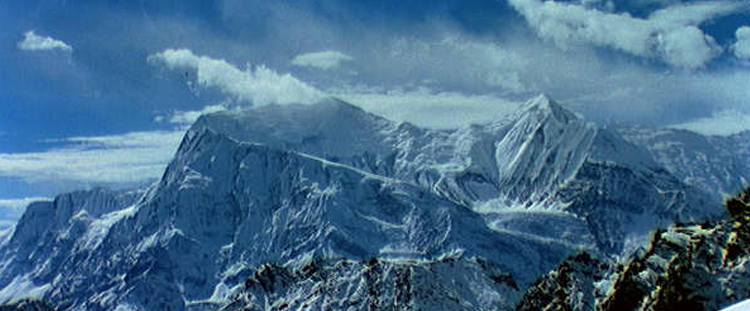
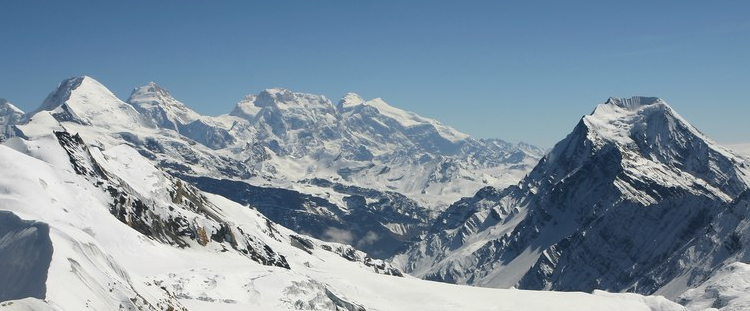
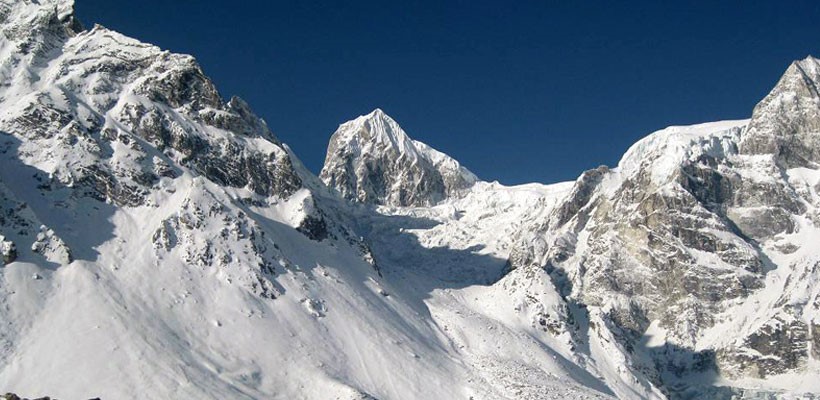
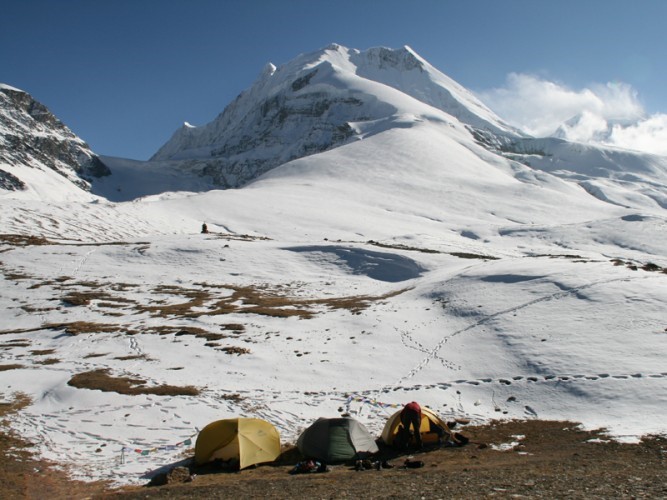
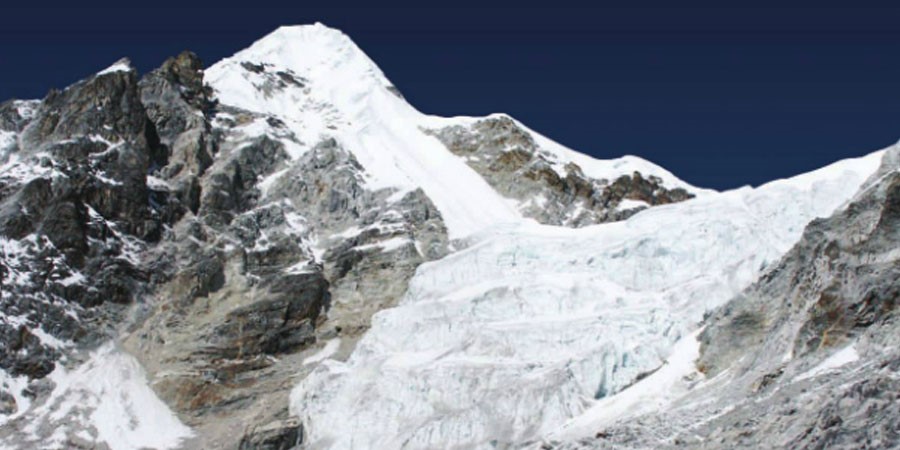
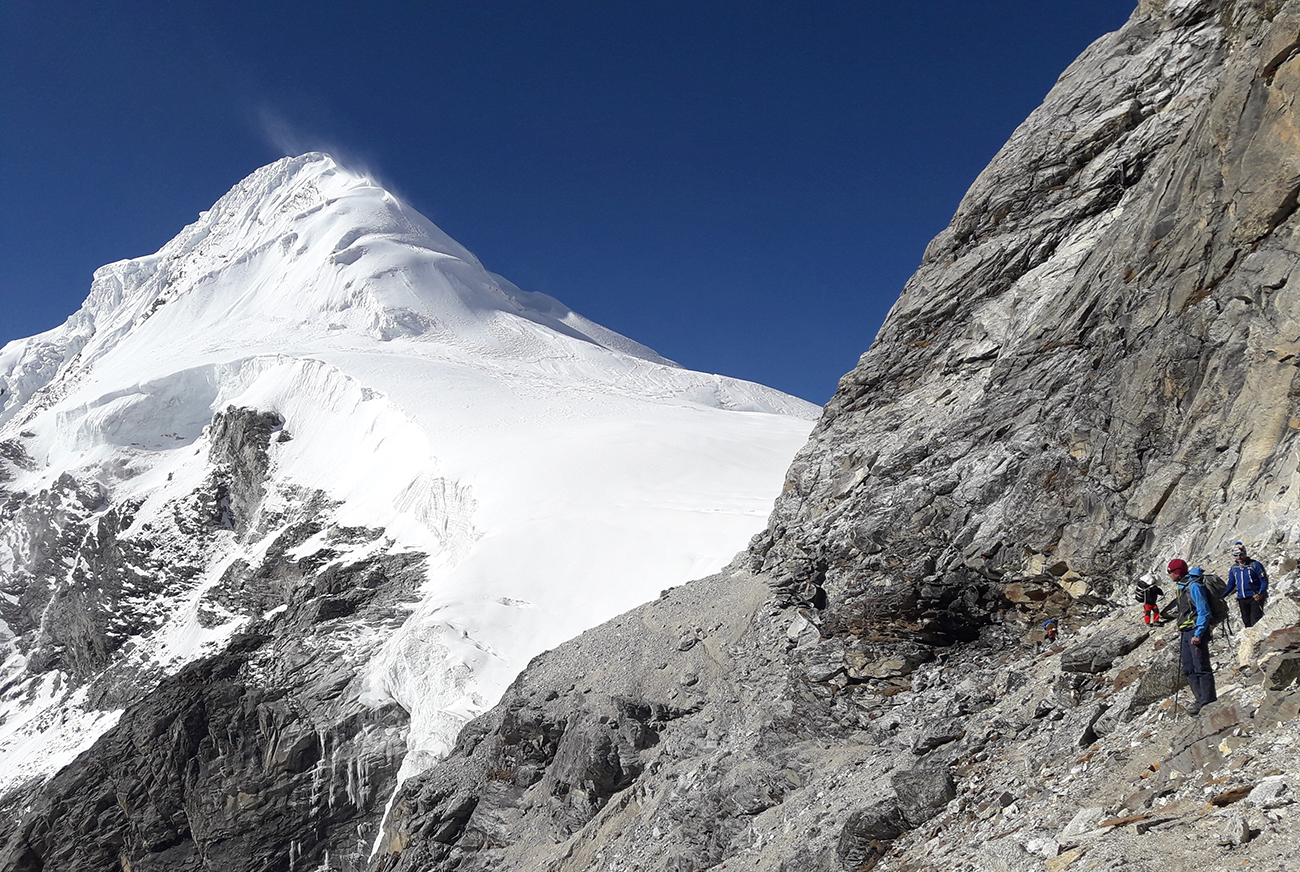
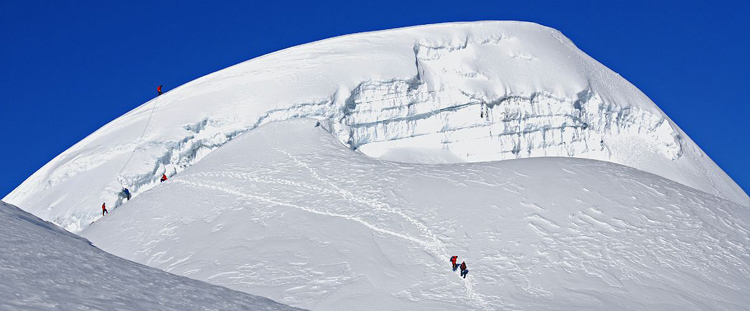
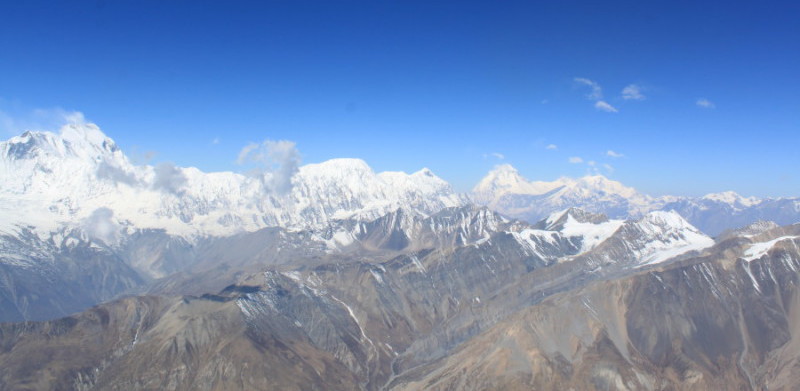
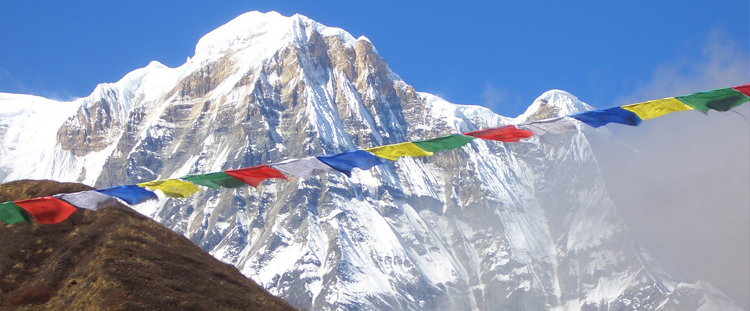
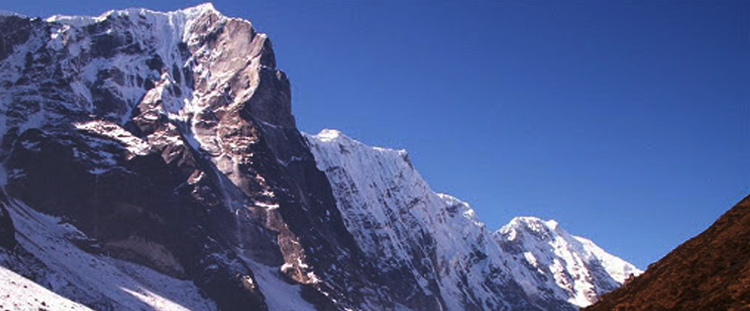
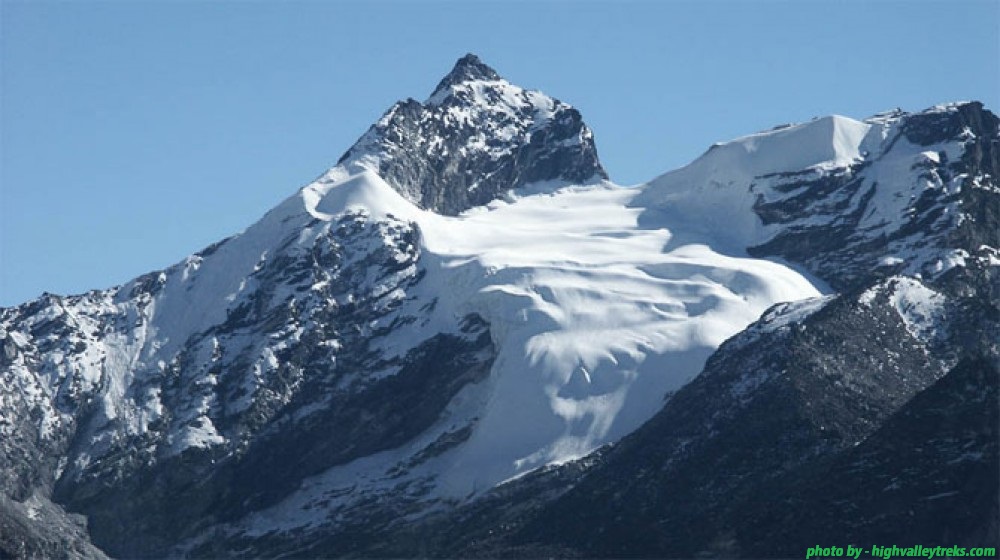
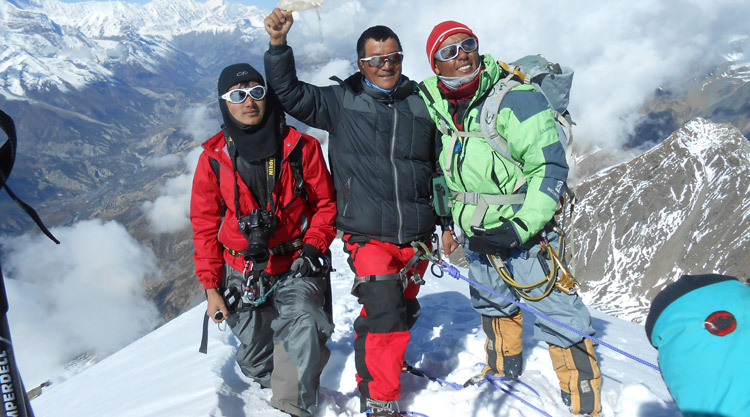
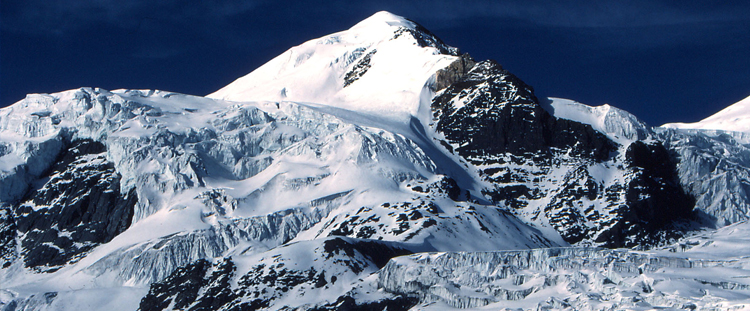
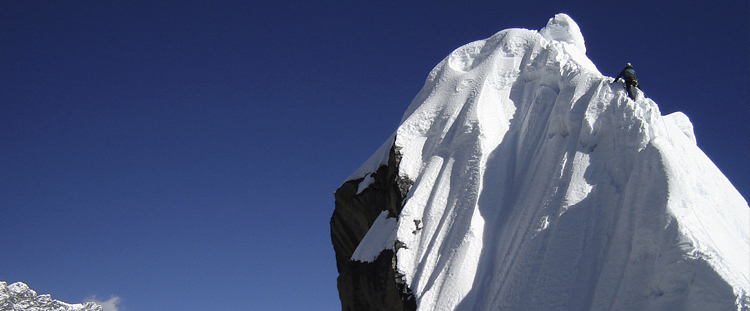
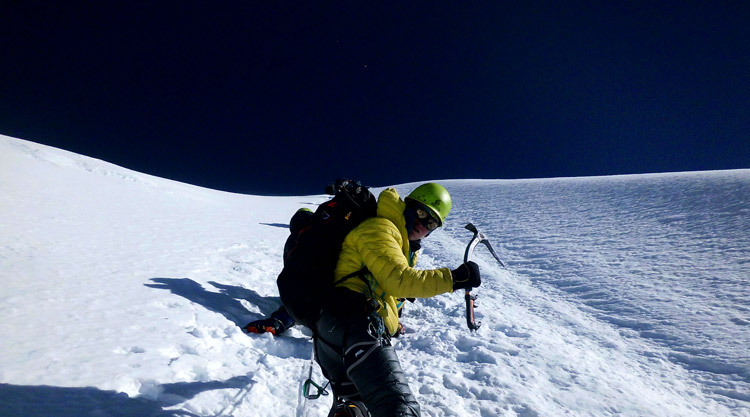
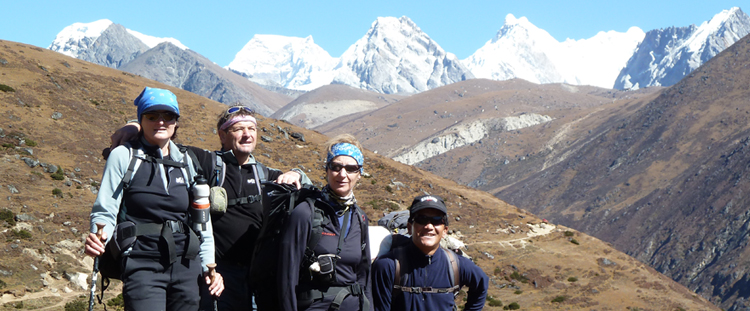
Chulu Far East Peak is one of the easiest peak climbing in Annapurna region with just 6059 m height. Chulu Massif rises north of the Marsyangdi Khola in the Manang region and form part of the Manang Himal, which is quite rightly included in the larger Damodar Himal. This remote upland area lies to the north of and in a rain shadow formed by the main Annapurna Himal. Huge glacial moraines abound etched deeply by wind erosion into fantastic pillars. The Annapurna Circuit attracts a relatively high number of trekkers in Nepal .
As the name itself suggests, this trail goes on a circuitous route around the entire Annapurna massif, visiting the Tibet-like country on the northern slopes of the Himalaya and the dramatic Kali Gandaki gorge. Much of the trek is through lowland country, but there is one high pass, “Thorung La” (5,416m). The trail over the pass is steep but in good shape and not hard to follow. This is the one point of the entire circuit where you really feel you are amidst the mountains. The pass is usually snowbound and un-crossable form mid-December to mid-March. Starting from less than 1,000 meters in lush green valleys, it gives us a chance to explore the Himalayas from bottom to top and from many different angles and perspectives.
This three week trek starts right from Besisahar which goes along the Marshyangdi River, with great views of Manaslu and Himal Chuli to the east. This magnificent trek leads you to the fine village, inhabited by a wide diversity of people from different ethnic groups, offering spectacular and majestic views of the white Himalayas. The Kali Gandaki gorge is another spell binding part of this trip. Known to be the worlds deepest river gorge the trail upto the Jomsom (and Upper Mustang) actually goes side by side with the river giving the lonely trekker company and groups something to talk about. Thus the Annapurna circuit is an extraordinary trek, truly one of the world’s best.
Essential Information
Visa Information
Immigration Offices, under Department of Immigration have been facilitating tourists flying to Nepal by providing Visa on Arrival. 'On Arrival' visa procedure is very quick and simple. You can expect some queues during peak Tourist season. If you wish to skip those queues, you can also consider getting Visa from Nepalese Diplomatic Missions stationed abroad prior to your arrival. Choice is yours.
If you have obtained visa from Nepalese Diplomatic Missions, then you must enter Nepal within six months from the visa issued date. Your total stay is counted starting from the day you enter into Nepal.
Visas obtained on Arrival at the Entry and Exit points are 'Tourist Visas'. They bear multiple Re entry facility. Tourist Visa 'On Arrival' is the only entry visa to Nepal. If you are visiting Nepal for the purposes other than Tourism (sightseeing, tour, travel, mountaineering, trekking, visiting friends and families), you should still get ' Tourist Visa' to get into the country. However, you must change the category of visa as per your purpose and length of stay in Nepal from Department of Immigration by producing required documents.
Useful Tips:
A travel insurance policy that covers medical treatment is recommended for all tourists.
Similarly, we recommend you to make sure that the insurance covers activities such as trekking, hiking, adventure activities, rafting etc. that you will be undertaking during your stay in Nepal
Getting special vaccinations is not necessary when visiting Nepal.
We still recommend that you consult with your physician regarding special immunizing against any tropical disease.
It may be a good idea to get a complete checkup before departure.
We recommend that you undertake training programs to be physically fit if you plan to go high-altitude trekking or mountaineering when you’re visiting Nepal.
Please read up on altitude sickness (AMS) , diarrhea, Giardia, Dysentery, Cholera, Hepatitis, Rabies, Typhoid, Tetanus, Meningitis, Diphtheria, Malaria and HIV/ AIDS. Information and little precautions can often save lives.
Always make sure that your water is clean by opting for boiled and then cooled water, treated water or sealed water from a brand.
Always carry a bottle of water when trekking or venturing off away from the city/ town.
Please do not swim in lakes and water bodies, especially where depth and vegetation are not known.
Always carry and use mosquito repellant when in Terai region or during the summer.
Please have a handy medical first aid kit ready for any situation.