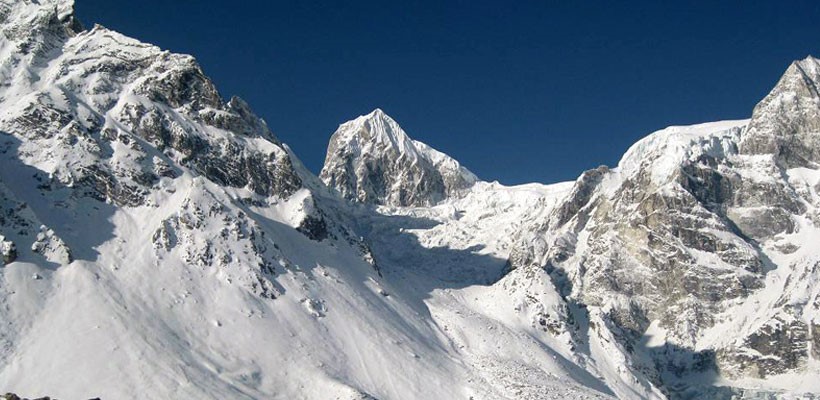
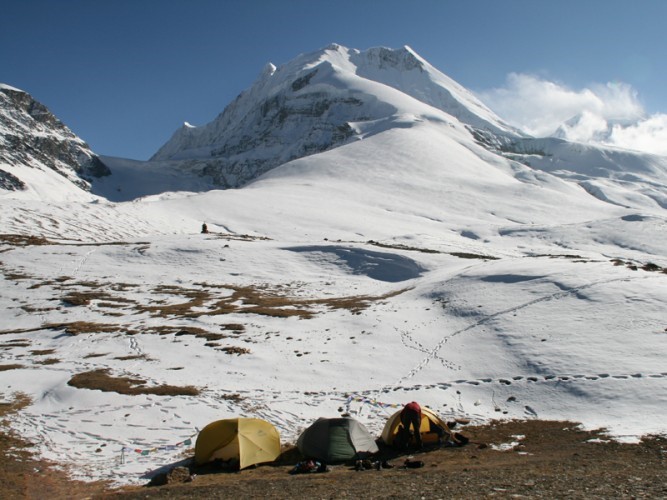
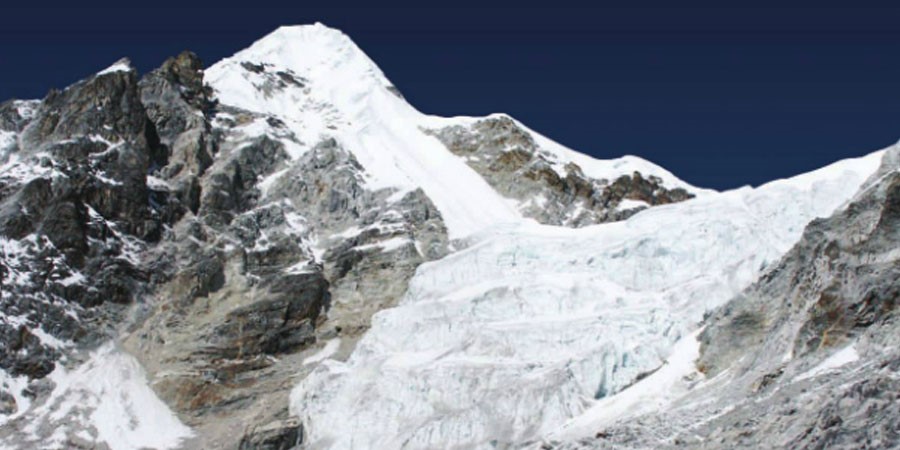
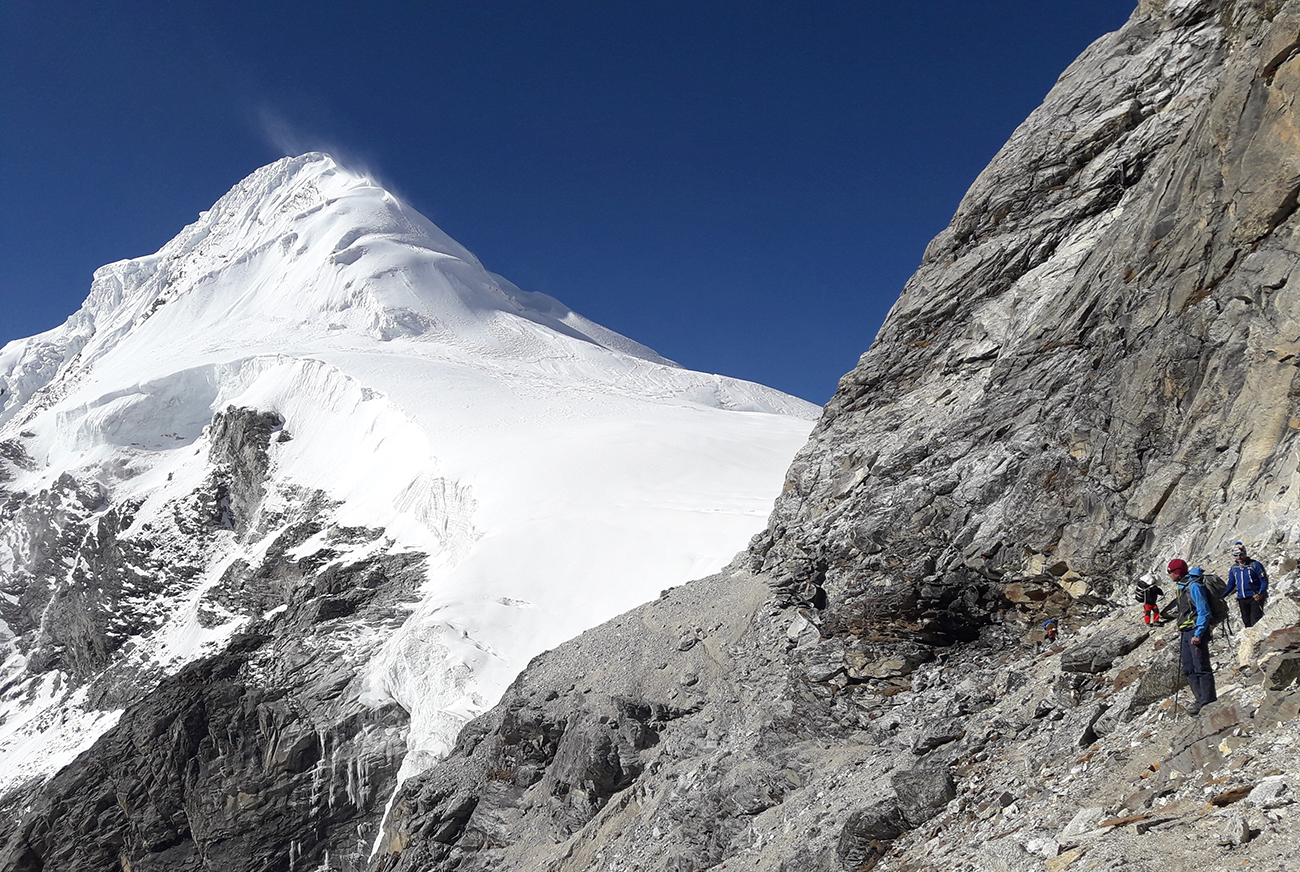
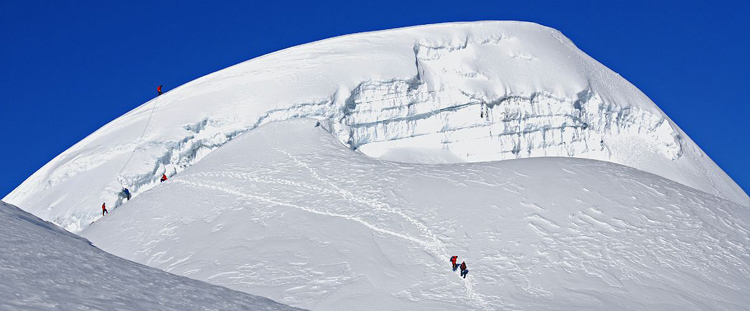
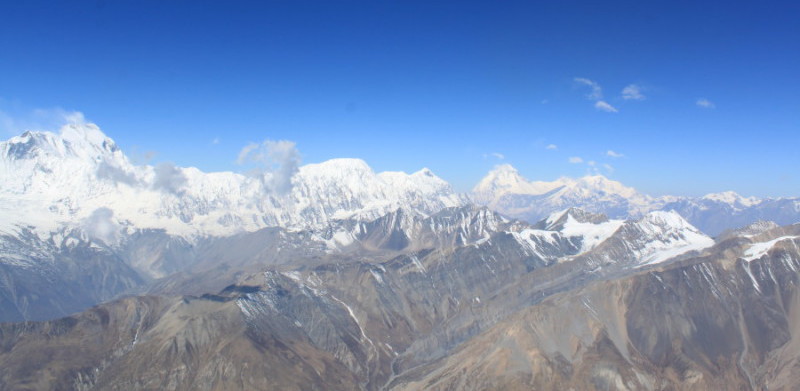
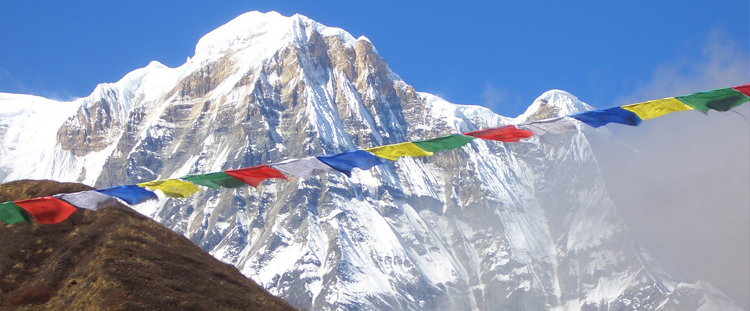
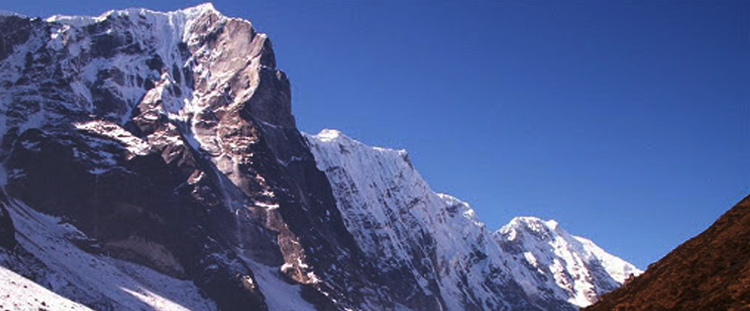
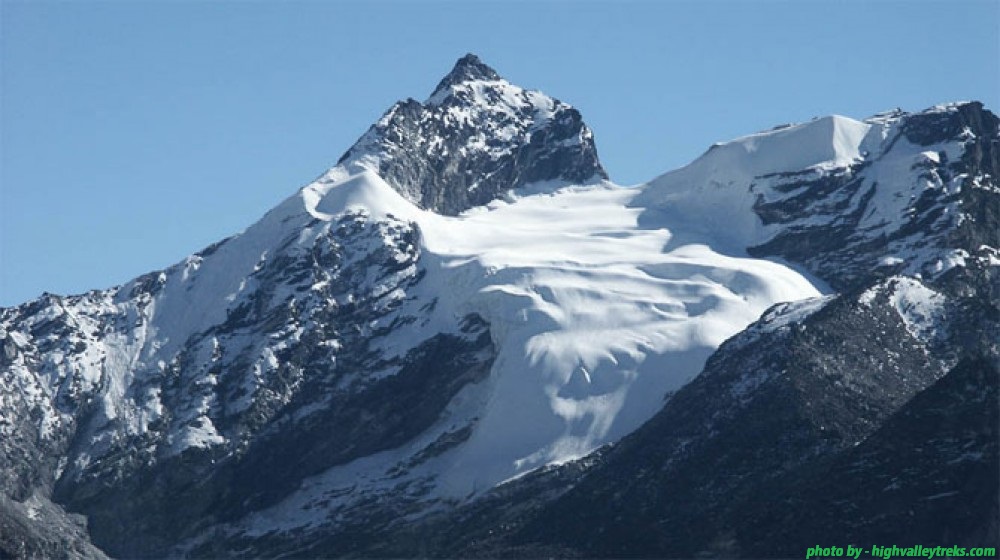
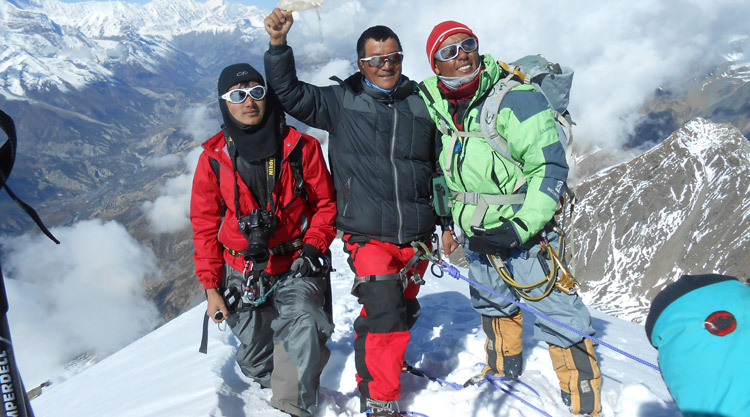
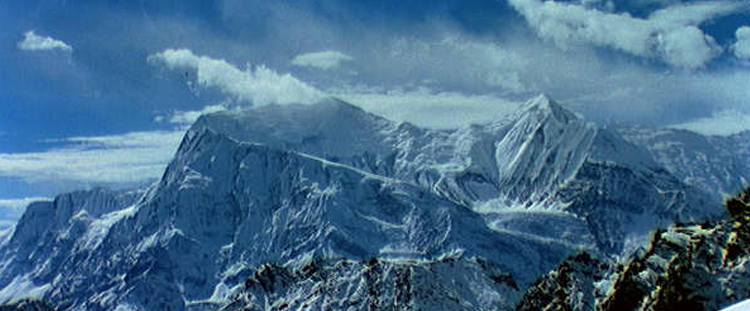
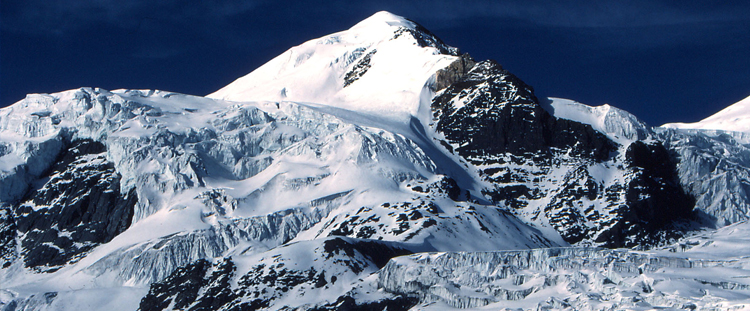
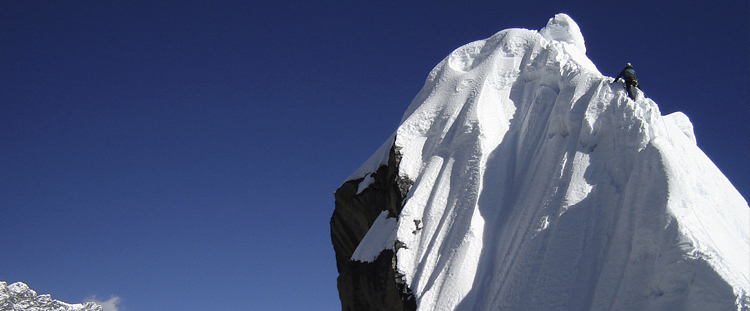
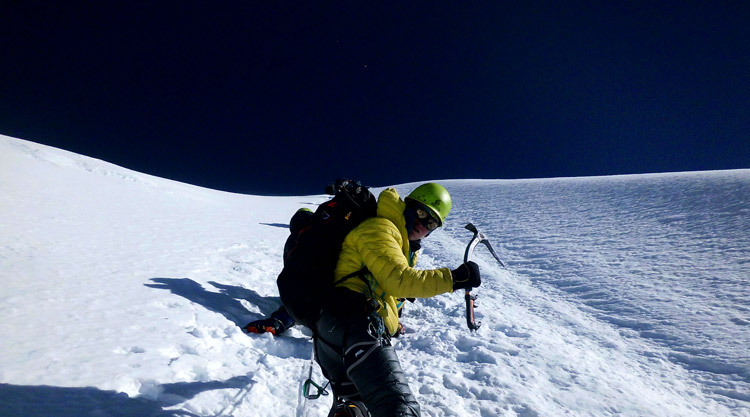
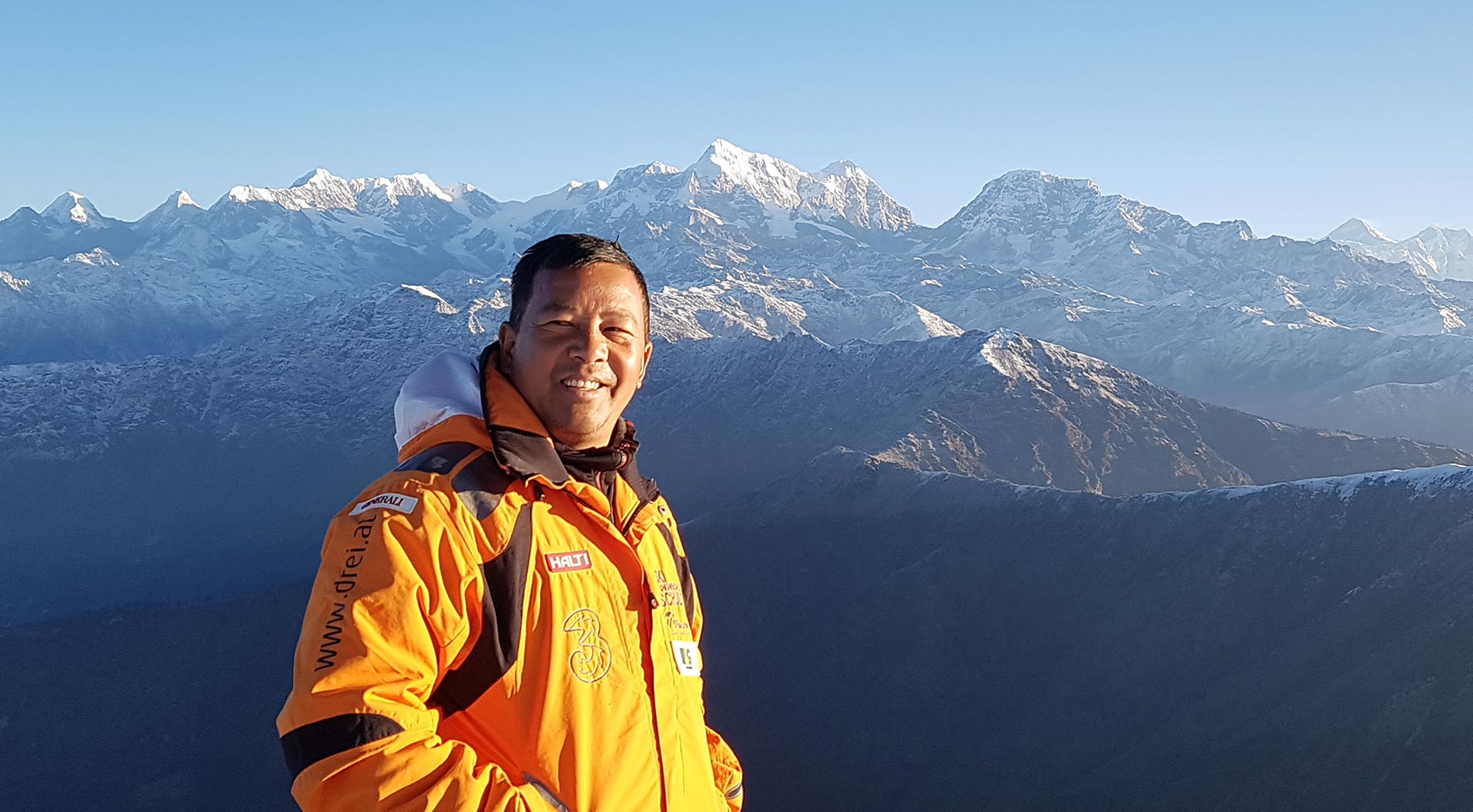
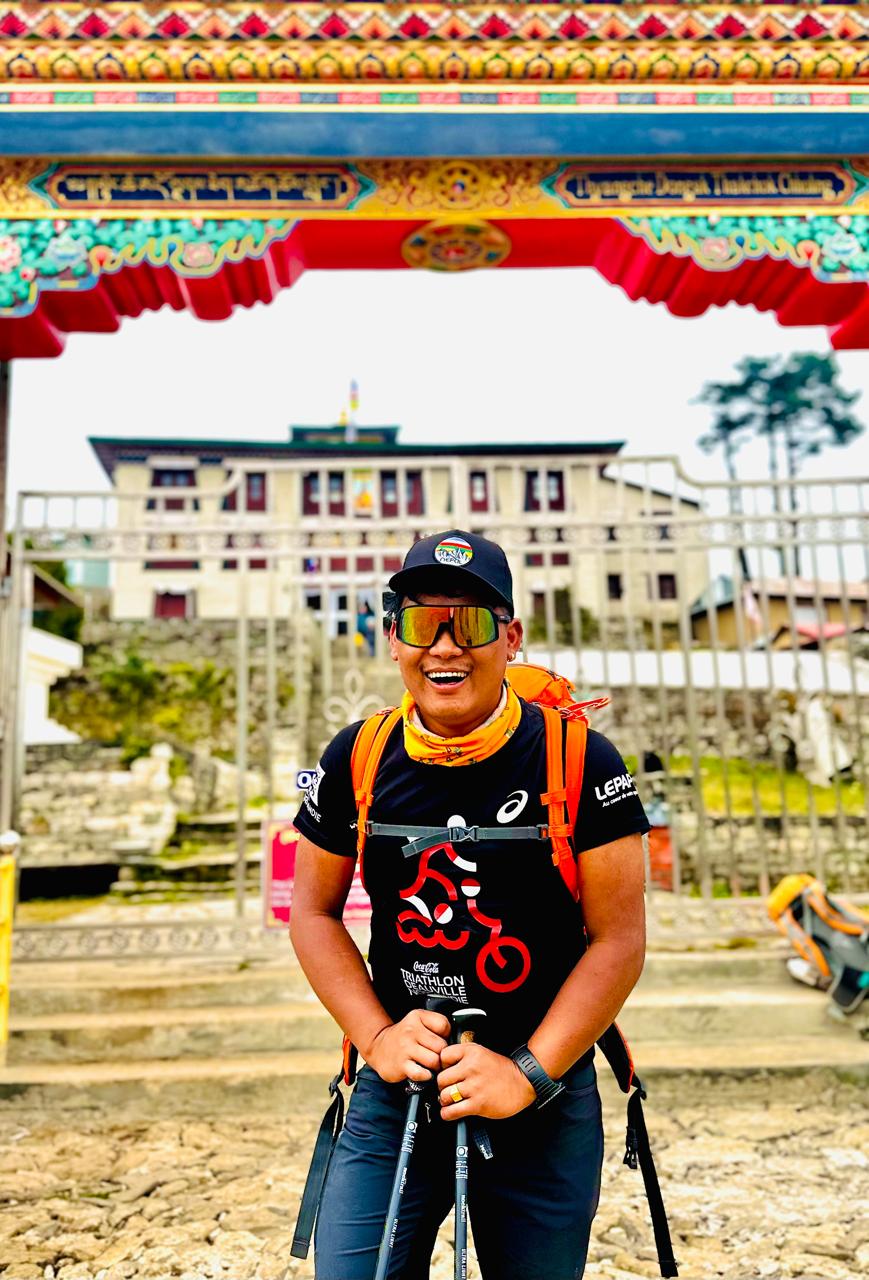
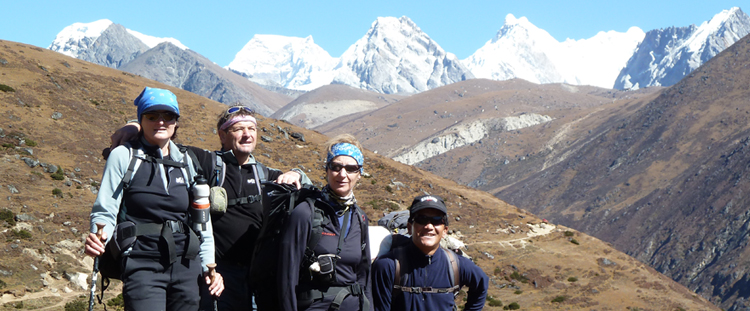
Larkya Peak Climbing is located in the Manaslu range of mountains in the Gorkha district of Nepal. Manaslu Region was opened in 1992; this area offers a combination of rich culture heritage, unsurpassed beauty, and biological diversity. Manaslu Circuit trek and Larkya peak is mid-northern Tibet border of Nepal, Manaslu region has just been opened to visitors finally permitted to really enter the mythical universe of living Tibetan tradition. Gorkha is a small independent state from where the unification of modern Nepal began is the starting point of the trek before and now trek follows from Arughat to narrow Budi Gandaki River valley. Many Gurungs, Magar and Indo Tibetan Buddhist culture follow up to Samdo the last settlement before Larke peak and Larke la pass. Magnificent panoramic viewpoint to admire the lofty mountain summits like Langtang, Ganesh Himal, Buddha Himal, Himalchuli, Annapurna and Siringi Himal so on. The trail continues northward passing through many villages of the Tibetan origin. These villages offer an opportunity to explore their customs and cultures, monasteries, prayer flags, a prayer wheel, and prayer walls. Mount Manaslu at 8163 meters is the 8th highest peak in the world and is located near to the border of Nepal and Tibet. The name Manaslu means “.The Spirit-Mountain” in the local dialect, referring to the benevolent and strong deity, which wells within. Trekking in Manaslu and Larkya peak climbing is one of the most delightful adventures. It is a rarely climbed peak and permits have only been issued to climb Larkya peak since 2002. Larkya peak is pretty tricky and hard to find top to bottom we provide you need a knowledgeable guide. After Larkya peak again same trekking route of Manaslu and to joint famous Annapurna circuit area actually place it call Dharapani and continue from there Besisahar and after by local bus or private vehicle to Kathmandu.
Essential Information
Visa Information
Immigration Offices, under Department of Immigration have been facilitating tourists flying to Nepal by providing Visa on Arrival. 'On Arrival' visa procedure is very quick and simple. You can expect some queues during peak Tourist season. If you wish to skip those queues, you can also consider getting Visa from Nepalese Diplomatic Missions stationed abroad prior to your arrival. Choice is yours.
If you have obtained visa from Nepalese Diplomatic Missions, then you must enter Nepal within six months from the visa issued date. Your total stay is counted starting from the day you enter into Nepal.
Visas obtained on Arrival at the Entry and Exit points are 'Tourist Visas'. They bear multiple Re entry facility. Tourist Visa 'On Arrival' is the only entry visa to Nepal. If you are visiting Nepal for the purposes other than Tourism (sightseeing, tour, travel, mountaineering, trekking, visiting friends and families), you should still get ' Tourist Visa' to get into the country. However, you must change the category of visa as per your purpose and length of stay in Nepal from Department of Immigration by producing required documents.
Useful Tips:
A travel insurance policy that covers medical treatment is recommended for all tourists.
Similarly, we recommend you to make sure that the insurance covers activities such as trekking, hiking, adventure activities, rafting etc. that you will be undertaking during your stay in Nepal
Getting special vaccinations is not necessary when visiting Nepal.
We still recommend that you consult with your physician regarding special immunizing against any tropical disease.
It may be a good idea to get a complete checkup before departure.
We recommend that you undertake training programs to be physically fit if you plan to go high-altitude trekking or mountaineering when you’re visiting Nepal.
Please read up on altitude sickness (AMS) , diarrhea, Giardia, Dysentery, Cholera, Hepatitis, Rabies, Typhoid, Tetanus, Meningitis, Diphtheria, Malaria and HIV/ AIDS. Information and little precautions can often save lives.
Always make sure that your water is clean by opting for boiled and then cooled water, treated water or sealed water from a brand.
Always carry a bottle of water when trekking or venturing off away from the city/ town.
Please do not swim in lakes and water bodies, especially where depth and vegetation are not known.
Always carry and use mosquito repellant when in Terai region or during the summer.
Please have a handy medical first aid kit ready for any situation.