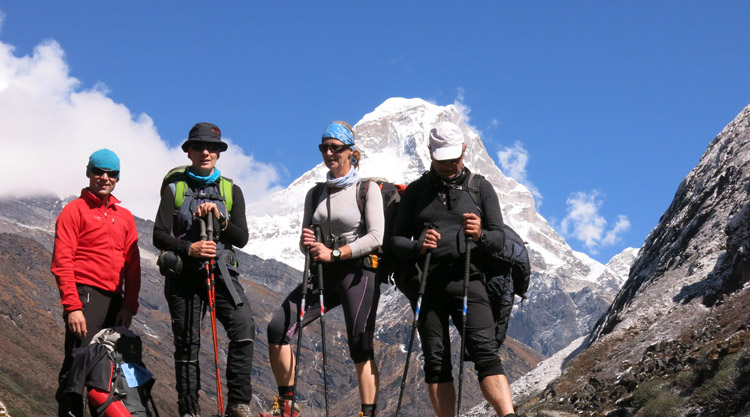
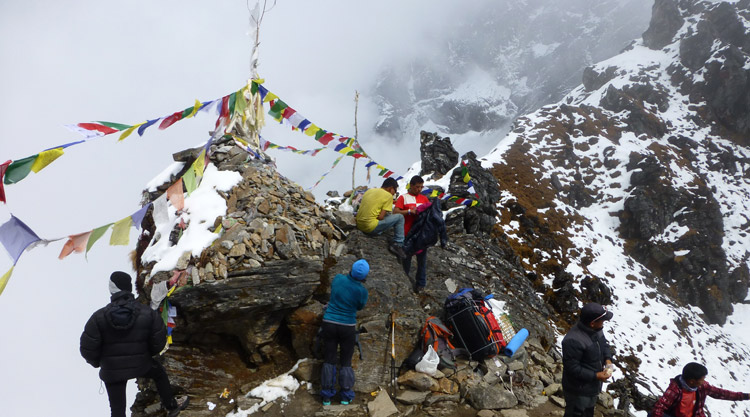
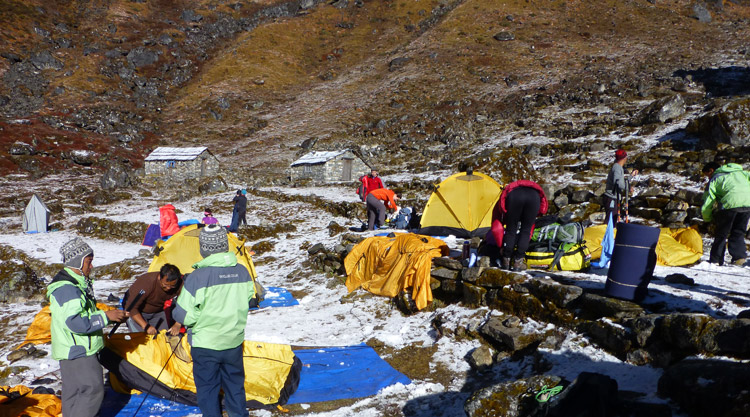
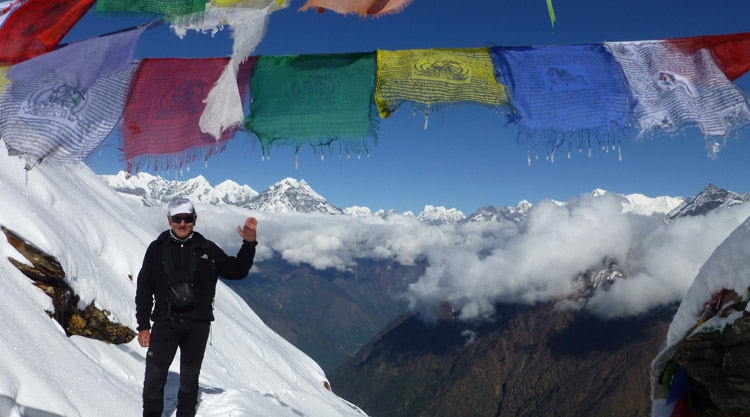
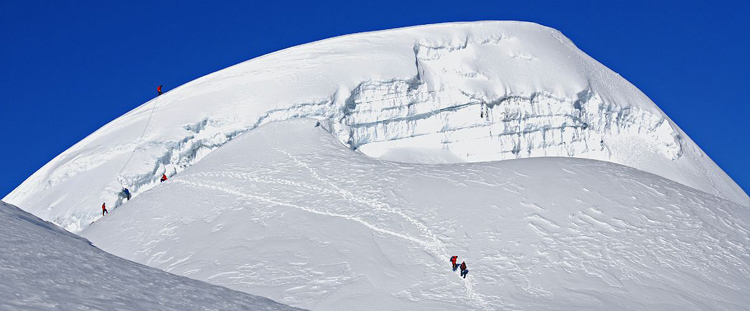
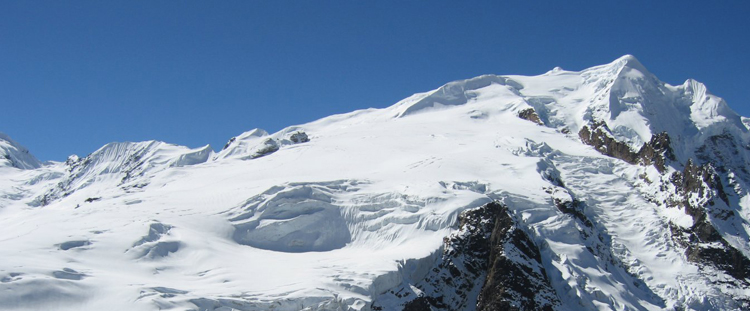
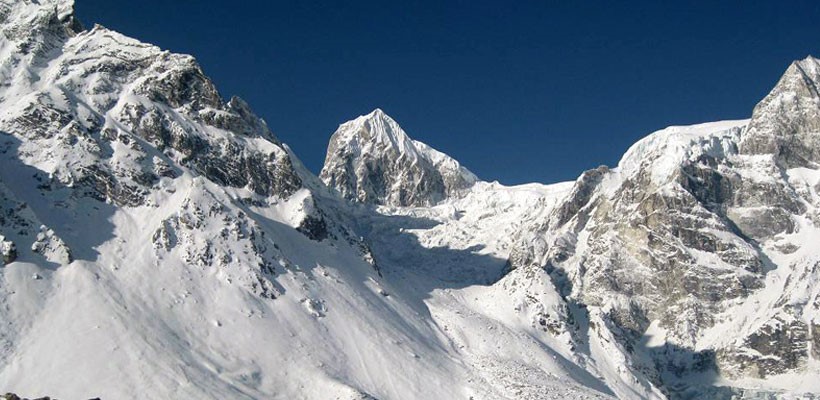
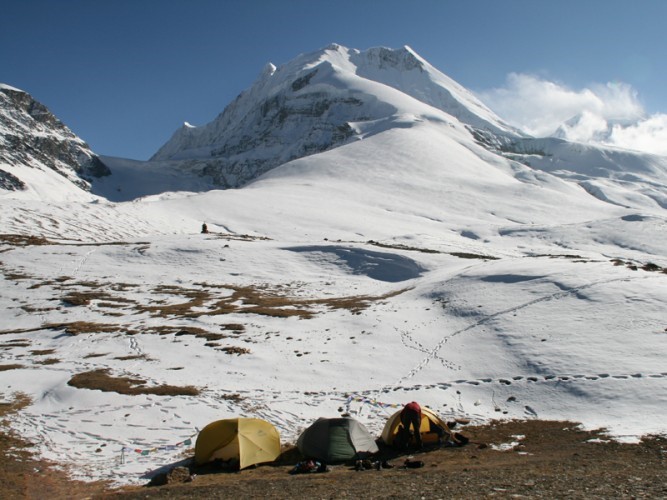
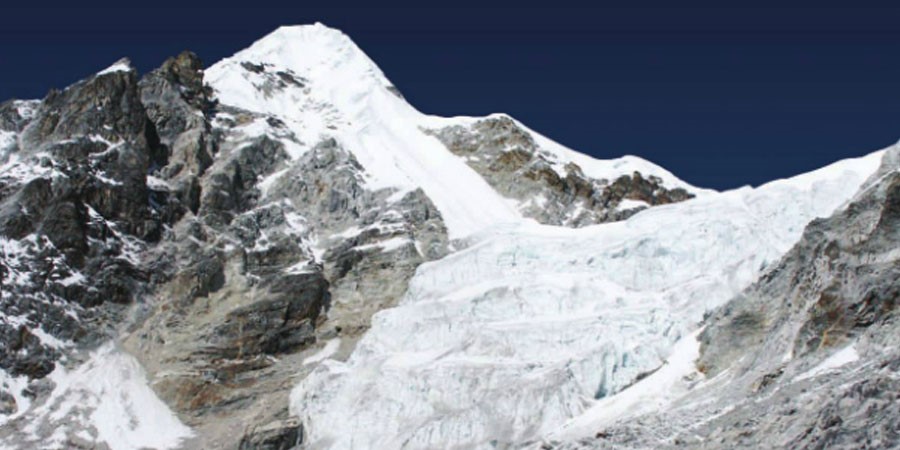
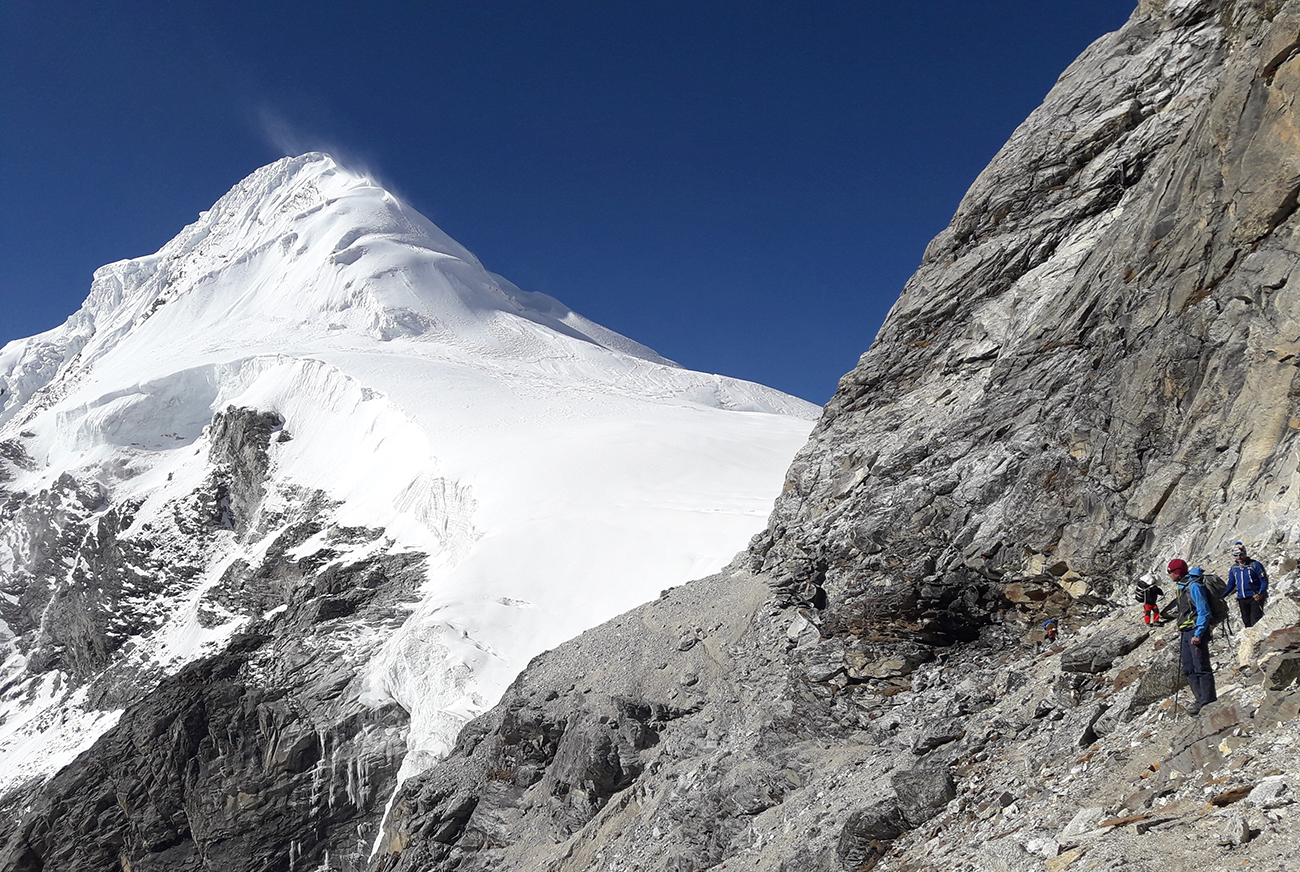
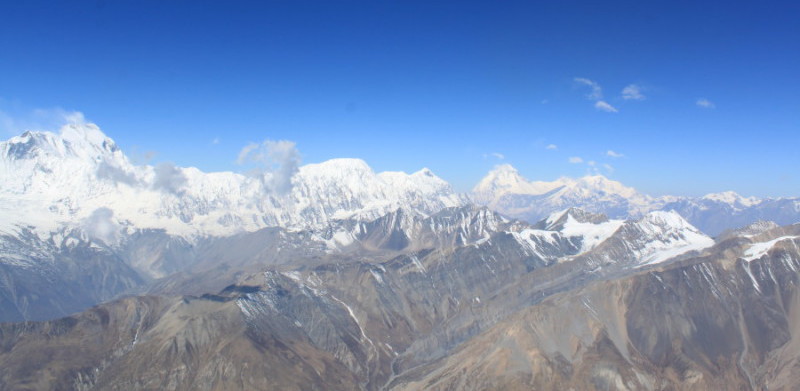
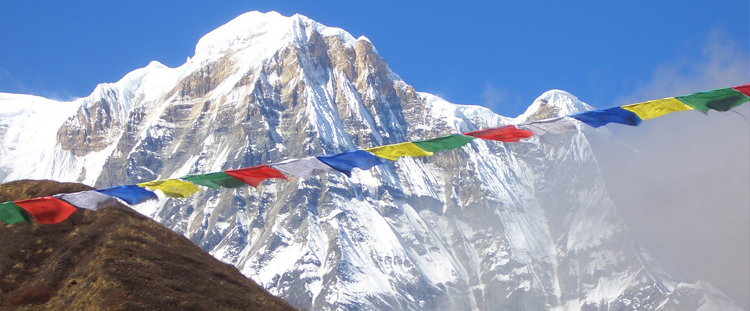
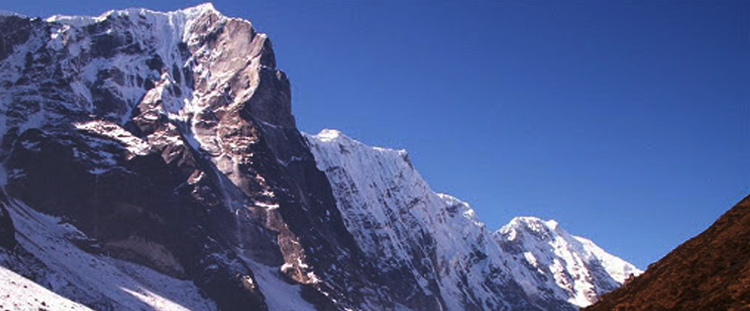
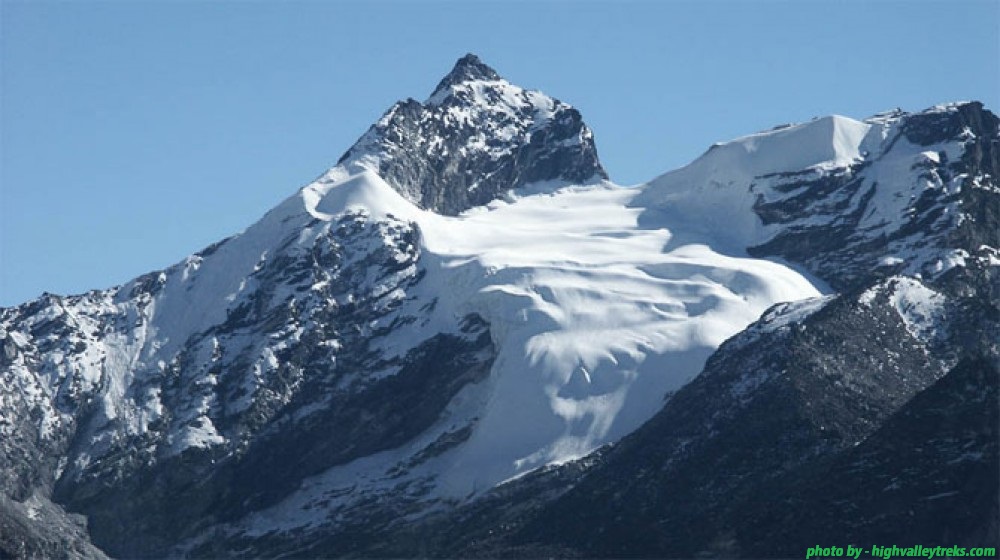
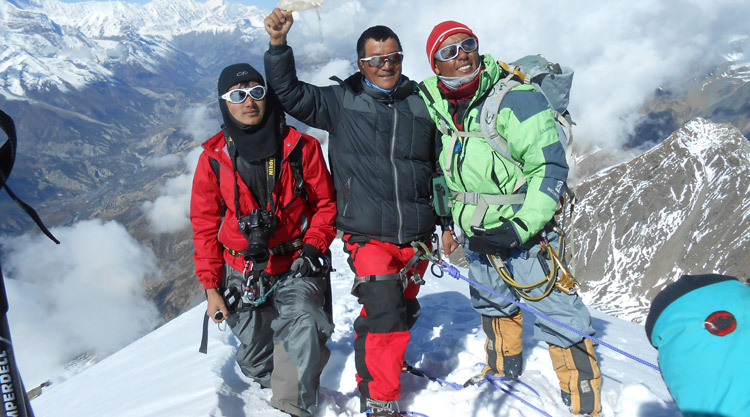
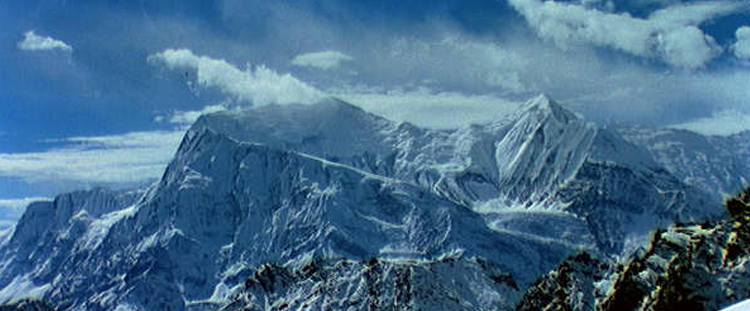
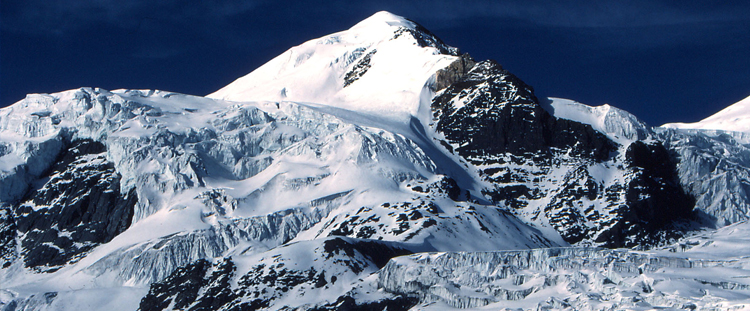
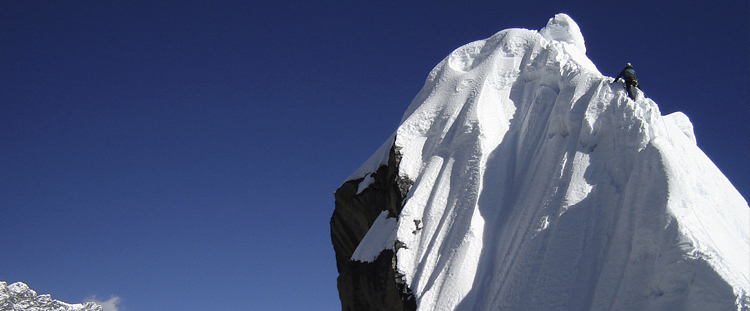
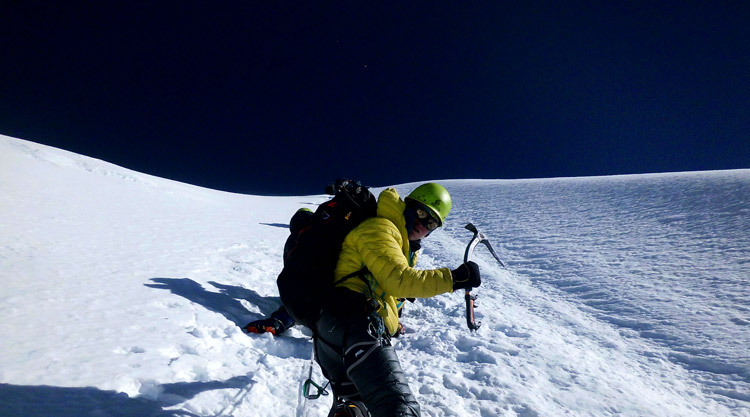
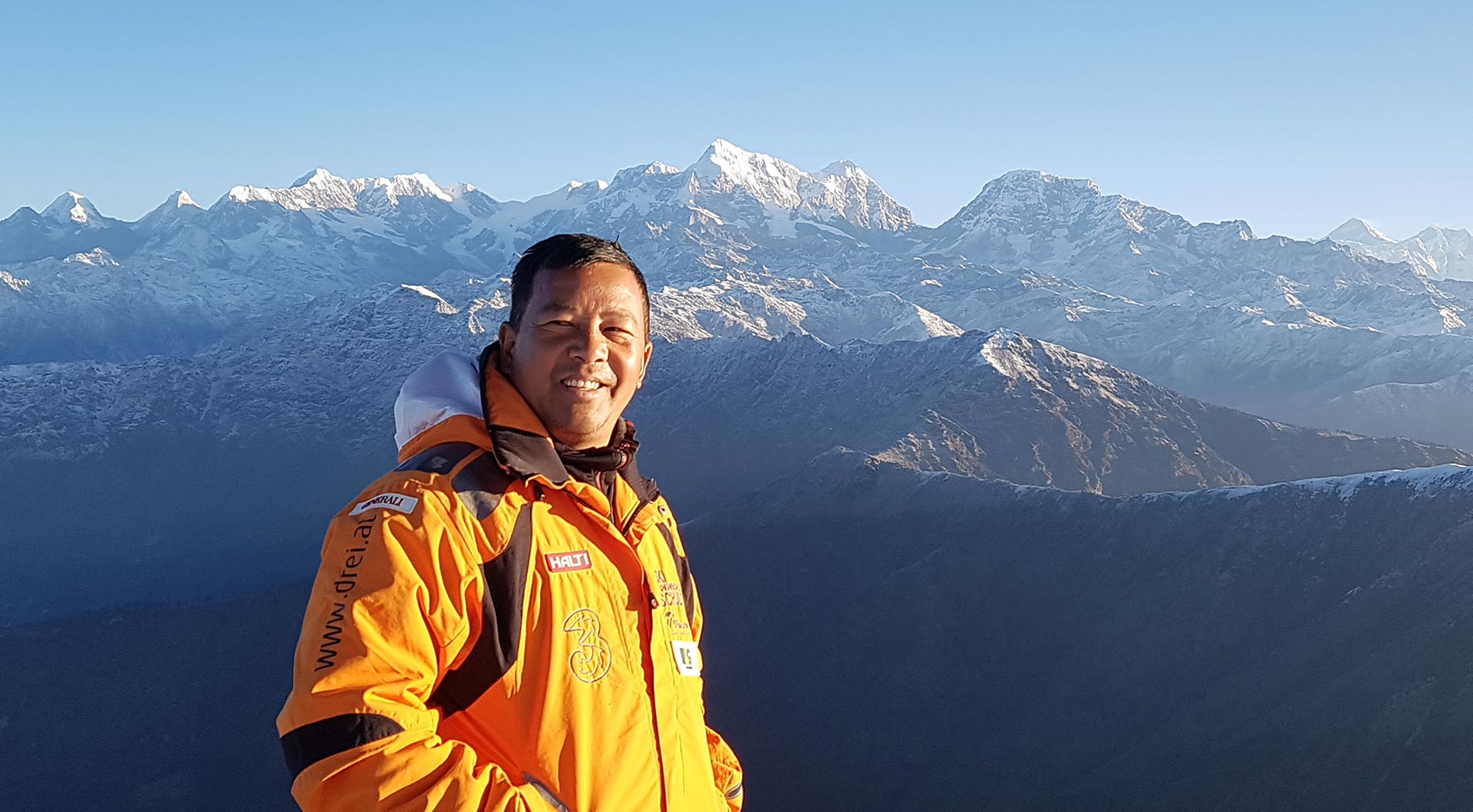
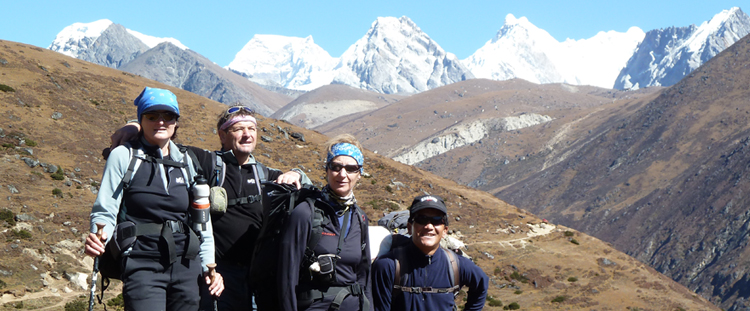
Mera peak climbing Amphu Lapcha pass and Island Peak climbing trek is one of the challenging trekking in Khumbu Himalaya region. Amphu Lapcha pass trek takes us away from the less touristy in Everest region including climbing the Mera peak and after pass, Island Peak climbing. Mera peak is considered one of the major, highest and popular trekking peaks in Nepal rises to the south of Everest Mera peak climbing and Amphu lapcha pass trekking is one of the wildest and less discovered areas in the Khumbu Valley despite the Valley being well known to trekkers, climbers and nature lovers from the whole world. Mera Peak, the most beautiful peak in the region is one of the fabulous attractions in this region. Another exciting and charming reason to visit this region is to cross the Amphu Lapcha Pass, while being in the lap of Lhotse, Nuptse, Amadablam, Makalu and Baruntse peaks. The routes crossing Amphu Labtsa and the Mingbo La provides some the most adventurous trekking with spectacular scenery through remote glaciated valleys and passes. We have the flight service to Lukla from Kathmandu to start the trek and we climb Mera Peak first. After reaching the top of Mera Peak, we continue through the Hinku Valley, cross the Amphu Lapcha and reach the lap of Amadablam including Island Peak Climbing. From here we head for Tengboche and return to Lukla through Sherpa villages and fly back to Kathmandu. We will arrange the Mera peak climb and Amphu lapcha pass trek according to trekkers/mountaineers holiday schedule. We will walk along a high rocky ridge through dense forests and across several streams before reaching the pass that will take us from the Khumbu into the Hinku Valley. Trekking and camping in this wild land of abundant rhododendron and Himalayan pine forests is indeed an impressive experience. At Tangnag, we will rest and explore the huge moraine and the beautiful glacial lake north of the village. We will have the option to climb Mera Peak, first climbed in May 1953. We will continue north through the uninhabited Hunku Valley with constant views of magnificent mountains. After several days camping beside the lovely lakes Dudh and Panch Pokhari we’ll climb over Amphu Lapcha. As we make our way back to Lukla via Namche Bazaar and Phakding, you will have completed one of the more demanding trekking routes in Nepal.
Essential Information
Visa Information
Immigration Offices, under Department of Immigration have been facilitating tourists flying to Nepal by providing Visa on Arrival. 'On Arrival' visa procedure is very quick and simple. You can expect some queues during peak Tourist season. If you wish to skip those queues, you can also consider getting Visa from Nepalese Diplomatic Missions stationed abroad prior to your arrival. Choice is yours.
If you have obtained visa from Nepalese Diplomatic Missions, then you must enter Nepal within six months from the visa issued date. Your total stay is counted starting from the day you enter into Nepal.
Visas obtained on Arrival at the Entry and Exit points are 'Tourist Visas'. They bear multiple Re entry facility. Tourist Visa 'On Arrival' is the only entry visa to Nepal. If you are visiting Nepal for the purposes other than Tourism (sightseeing, tour, travel, mountaineering, trekking, visiting friends and families), you should still get ' Tourist Visa' to get into the country. However, you must change the category of visa as per your purpose and length of stay in Nepal from Department of Immigration by producing required documents.
Useful Tips:
A travel insurance policy that covers medical treatment is recommended for all tourists.
Similarly, we recommend you to make sure that the insurance covers activities such as trekking, hiking, adventure activities, rafting etc. that you will be undertaking during your stay in Nepal
Getting special vaccinations is not necessary when visiting Nepal.
We still recommend that you consult with your physician regarding special immunizing against any tropical disease.
It may be a good idea to get a complete checkup before departure.
We recommend that you undertake training programs to be physically fit if you plan to go high-altitude trekking or mountaineering when you’re visiting Nepal.
Please read up on altitude sickness (AMS) , diarrhea, Giardia, Dysentery, Cholera, Hepatitis, Rabies, Typhoid, Tetanus, Meningitis, Diphtheria, Malaria and HIV/ AIDS. Information and little precautions can often save lives.
Always make sure that your water is clean by opting for boiled and then cooled water, treated water or sealed water from a brand.
Always carry a bottle of water when trekking or venturing off away from the city/ town.
Please do not swim in lakes and water bodies, especially where depth and vegetation are not known.
Always carry and use mosquito repellant when in Terai region or during the summer.
Please have a handy medical first aid kit ready for any situation.