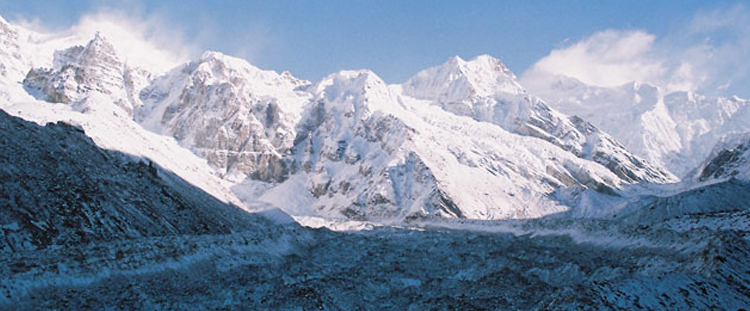
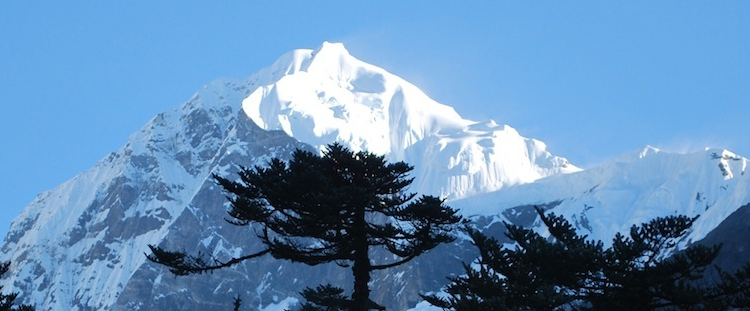
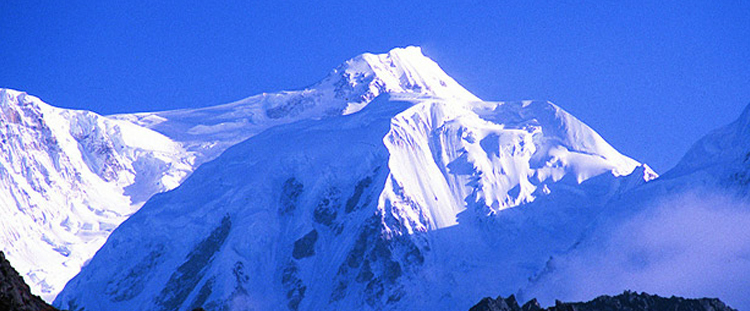
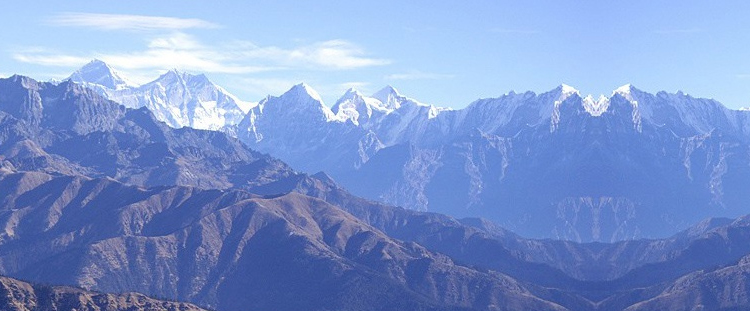
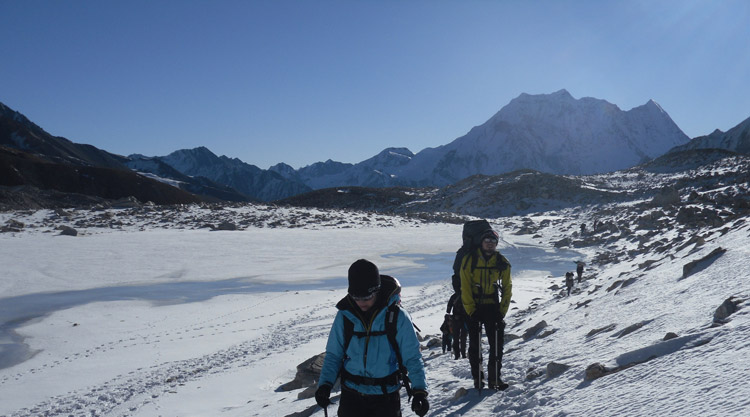
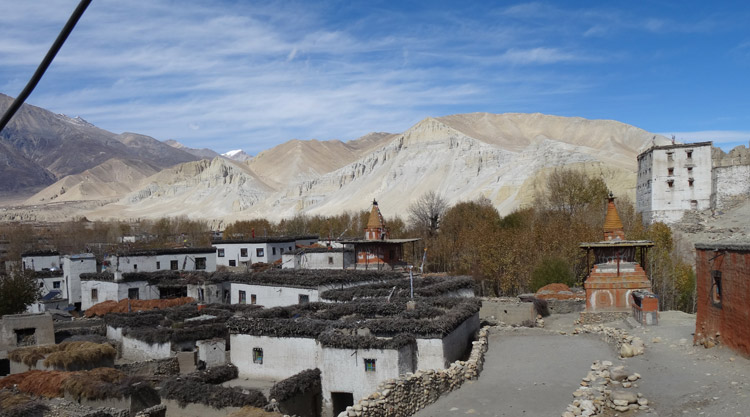
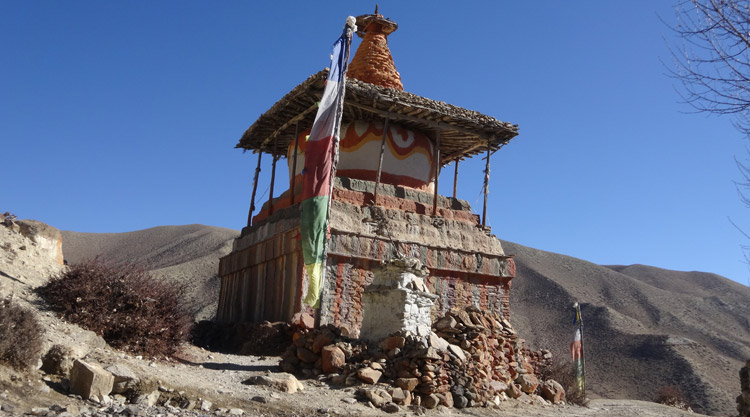
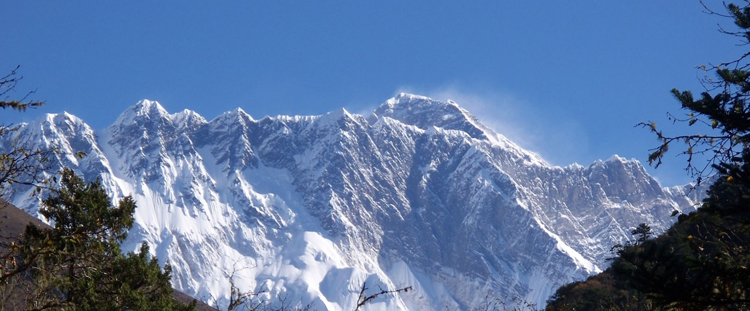
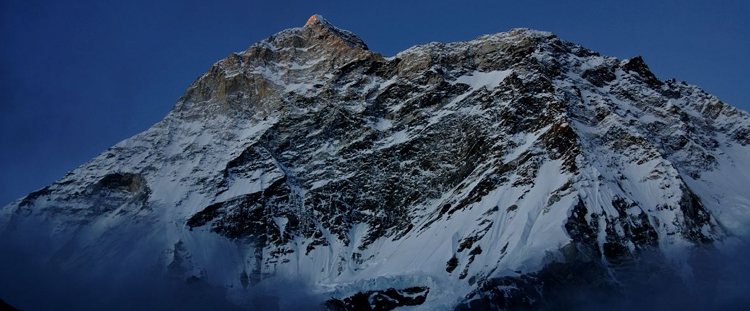
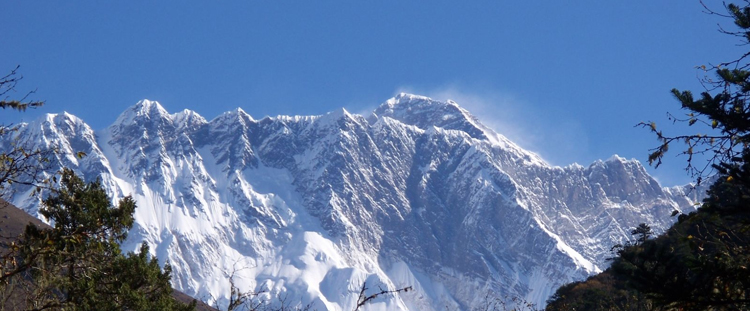
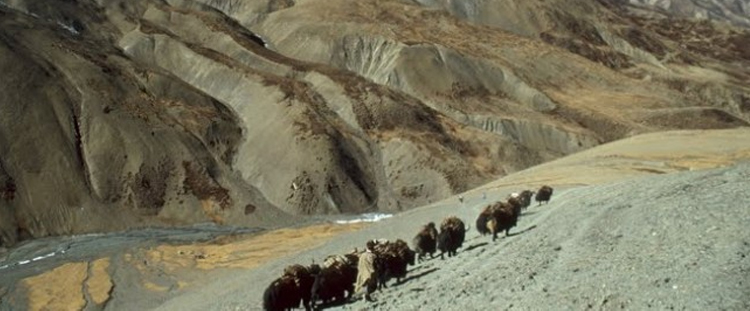
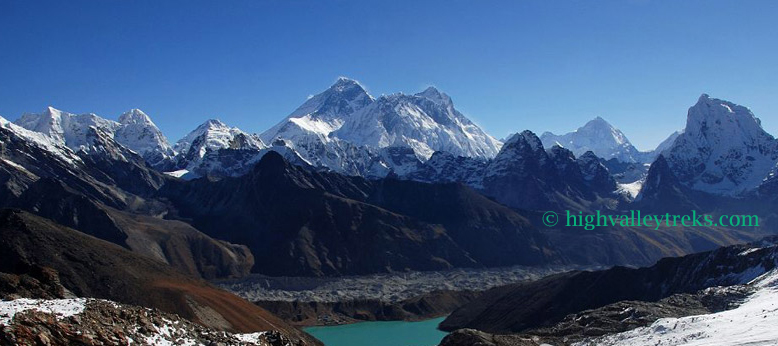
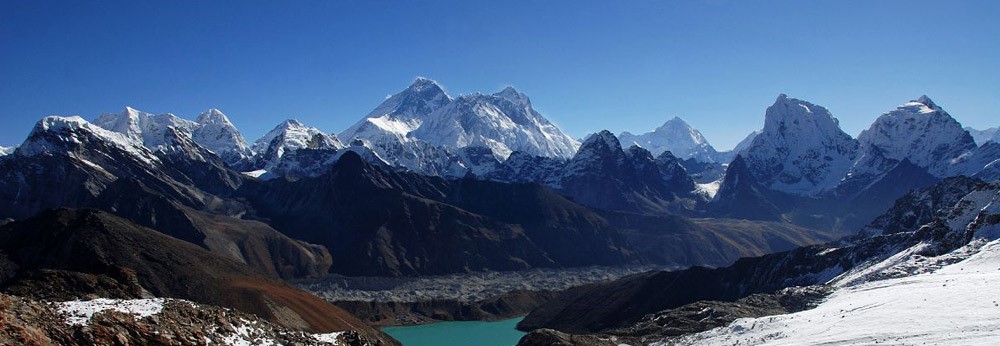
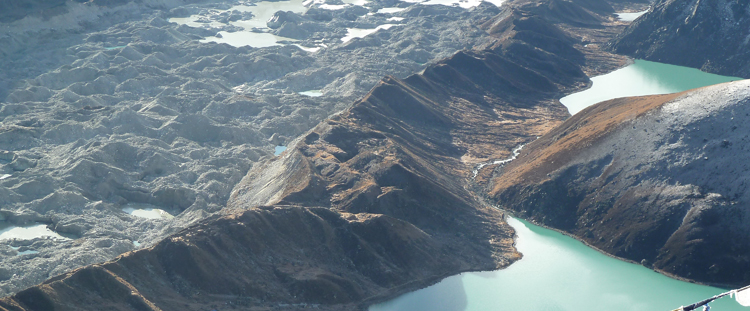
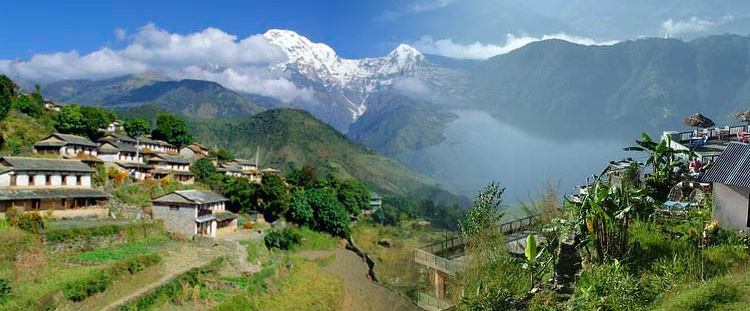
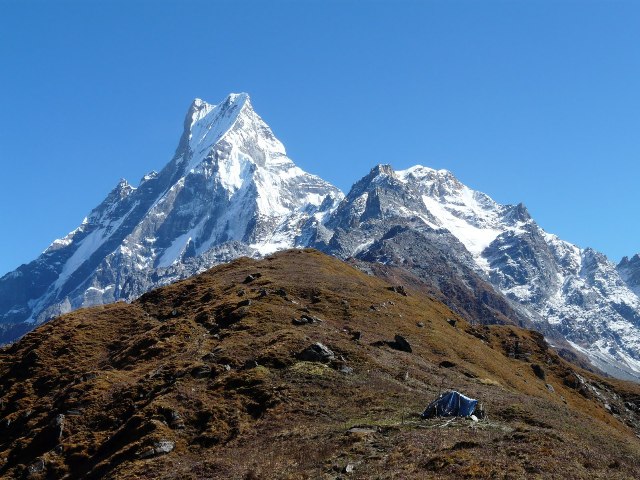
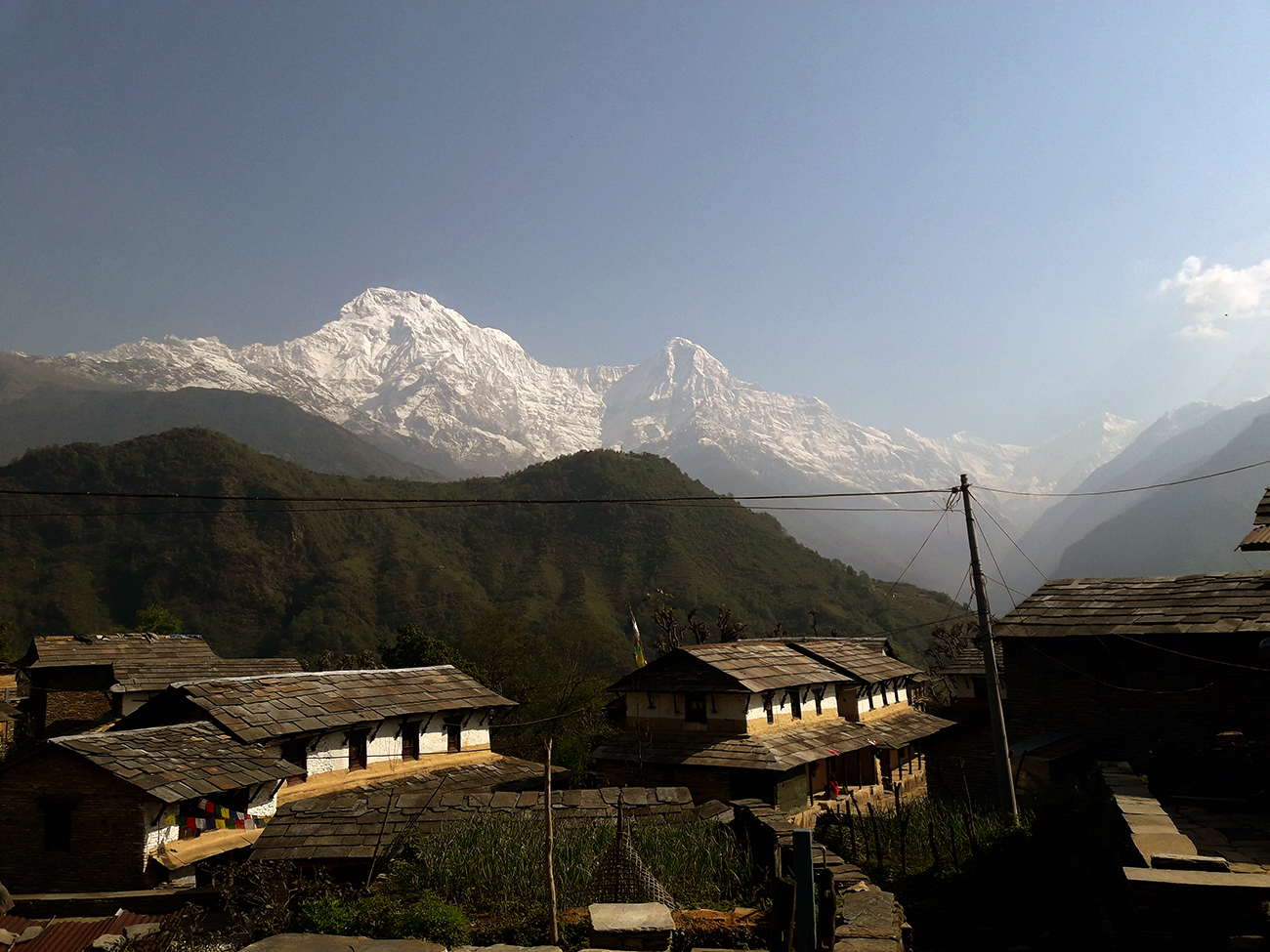
Kanchenjunga base camp trek is an ideal trekking trial in the far eastern Nepal. Kanchenjunga base camp trek is opened in 1988 for trekkers. Kanchenjunga base camp trek is for those; who have enough time for walking holiday and interested to venture into the remote areas of Nepal. Kanchenjunga base camp trekking route is little bit long comparatively other trekking rout of Nepal but rewarding, which follows deeply into the remote Himalayas mountain ranges of Nepal . Kanchenjunga base camp trek explores the area around Kanchenjunga. Kanchenjunga is the 3rd highest mountain in the world at 8,586m and the 2nd highest peak of Nepal after Mt. Everest 8848m. Besides this main peak, there are four subsidiary mountains all over 8000m and more than fifteen peaks over 6,000m to the surrounding. Trekking to Kanchenjunga you can see wide range of scenery lush, tropical jungle through Rhododendron, chestnut and oak forests to the alpine zone.
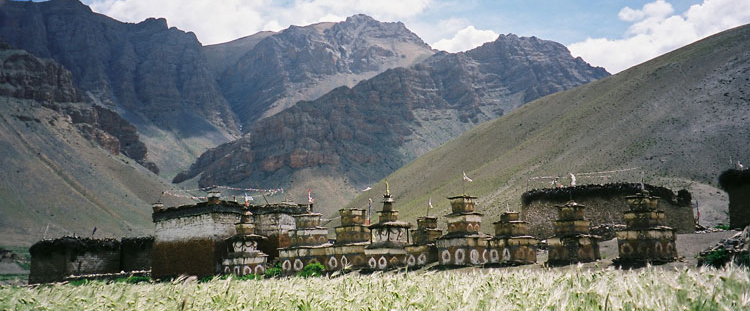
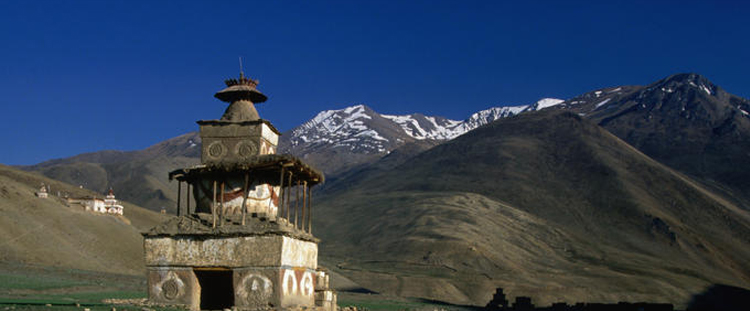
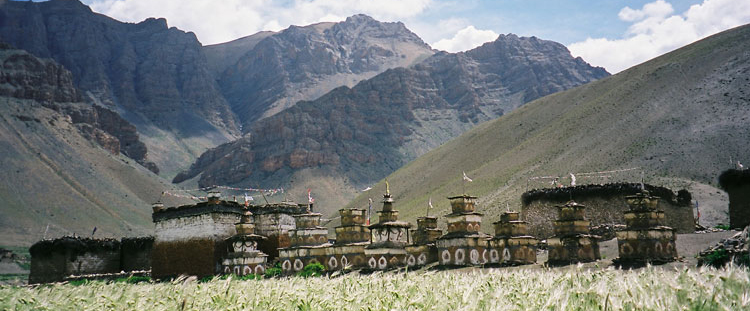
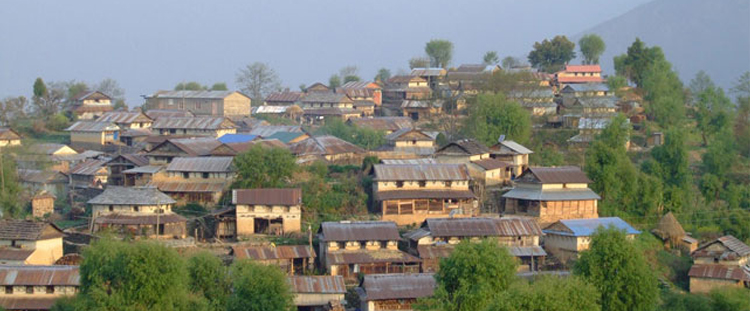
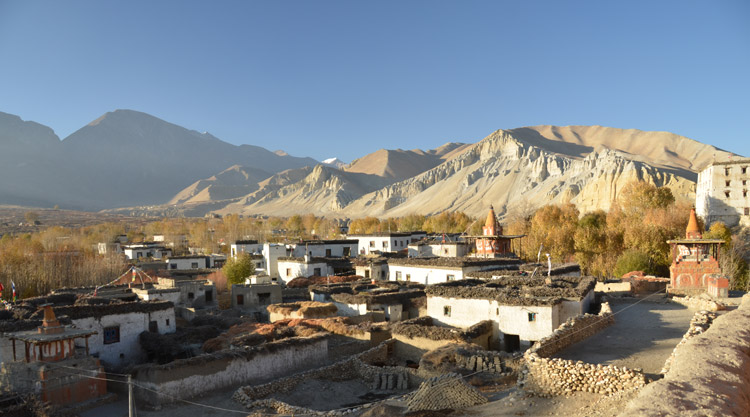
Kanchenjunga region is also well known for home of the Red Panda and other snow animals, birds and plants. On Kanchenjunga trip, you can familiar with culture and life-style of local people and the Tibetan villages at higher elevations. Kanchenjunga base camp trekking area is protected by the Kanchenjunga Conservation Project. Kanchenjunga south and North base camp trek takes you on an adventurous passage that rounds off at the base of the third highest peak in the world, Mt. Kanchenjunga which stands at a height of 8586m. Kanchenjunga is a huge massif located in the far northeast part of Nepal on the borders of Sikkim and Tibet. Main attraction of the Kanchenjunga south and north base camp trekking are the magnificent views of the snow capped mountain peaks, varied landscapes from the subtropical lowlands to the spectacular glacial plateaus, enchanting forests of rhododendrons and abundance of wildlife that includes the famous musk deer and blue sheep.
Best time for trekking in Kanchenjunga is spring and autumn season. Kanchenjunga base camp trek can arrange in tea house basic, but you have large group then tea house is not sufficient it is necessary to arrange camping basic trek. There is an option however, if the team is interested, to cross two passes, the Lapsang La (16,760ft) and Sinion/Mirgin La (15,300ft) depending on the conditions. We fly from Kathmandu to Biratnagar and transfer to Basantapur on the same day. Kanchenjunga trek begins; with our first camp at Chauki then trek through Gyabla and ascend to the higher camp at Pang Pema (5120m) and camp at Lhonak. After complete Kanchenjunga base camp trek reaching the base camp of the world’s third highest peak, trek completes at Suketar, and we fly back to Kathmandu. If given itinerary is not suitable for you, we design another itinerary as per your desire and duration of holidays. If you interested to join a group sees our fix departure date and availability. High valley treks operates private Kanchenjunga base camp trek any time in season. If you need more information about Kanchenjunga base camp trek fell free to contact us.
Essential Information
Visa Information
Immigration Offices, under Department of Immigration have been facilitating tourists flying to Nepal by providing Visa on Arrival. 'On Arrival' visa procedure is very quick and simple. You can expect some queues during peak Tourist season. If you wish to skip those queues, you can also consider getting Visa from Nepalese Diplomatic Missions stationed abroad prior to your arrival. Choice is yours.
If you have obtained visa from Nepalese Diplomatic Missions, then you must enter Nepal within six months from the visa issued date. Your total stay is counted starting from the day you enter into Nepal.
Visas obtained on Arrival at the Entry and Exit points are 'Tourist Visas'. They bear multiple Re entry facility. Tourist Visa 'On Arrival' is the only entry visa to Nepal. If you are visiting Nepal for the purposes other than Tourism (sightseeing, tour, travel, mountaineering, trekking, visiting friends and families), you should still get ' Tourist Visa' to get into the country. However, you must change the category of visa as per your purpose and length of stay in Nepal from Department of Immigration by producing required documents.
Useful Tips:
A travel insurance policy that covers medical treatment is recommended for all tourists.
Similarly, we recommend you to make sure that the insurance covers activities such as trekking, hiking, adventure activities, rafting etc. that you will be undertaking during your stay in Nepal
Getting special vaccinations is not necessary when visiting Nepal.
We still recommend that you consult with your physician regarding special immunizing against any tropical disease.
It may be a good idea to get a complete checkup before departure.
We recommend that you undertake training programs to be physically fit if you plan to go high-altitude trekking or mountaineering when you’re visiting Nepal.
Please read up on altitude sickness (AMS) , diarrhea, Giardia, Dysentery, Cholera, Hepatitis, Rabies, Typhoid, Tetanus, Meningitis, Diphtheria, Malaria and HIV/ AIDS. Information and little precautions can often save lives.
Always make sure that your water is clean by opting for boiled and then cooled water, treated water or sealed water from a brand.
Always carry a bottle of water when trekking or venturing off away from the city/ town.
Please do not swim in lakes and water bodies, especially where depth and vegetation are not known.
Always carry and use mosquito repellant when in Terai region or during the summer.
Please have a handy medical first aid kit ready for any situation.