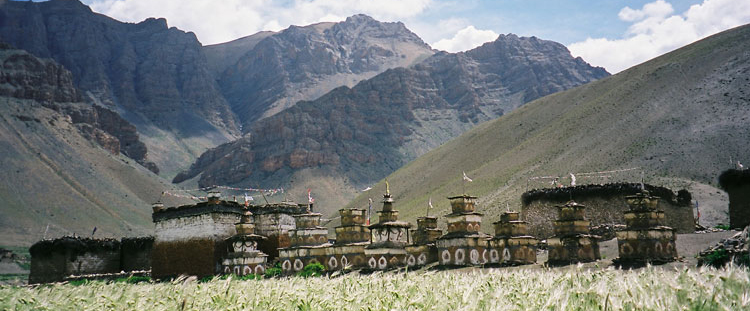
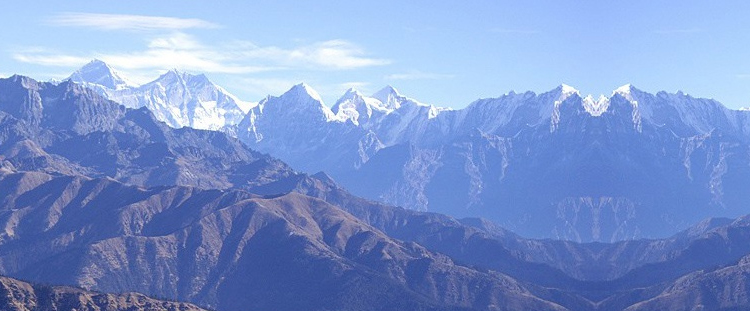
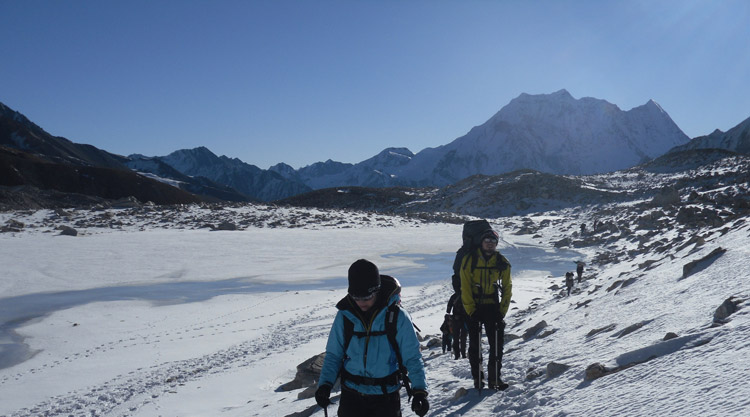
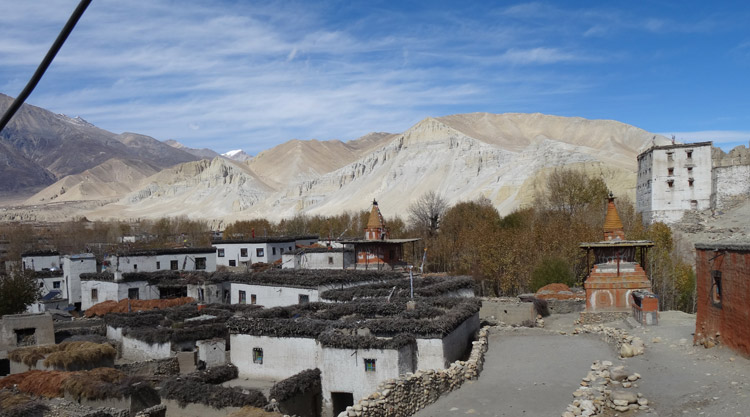
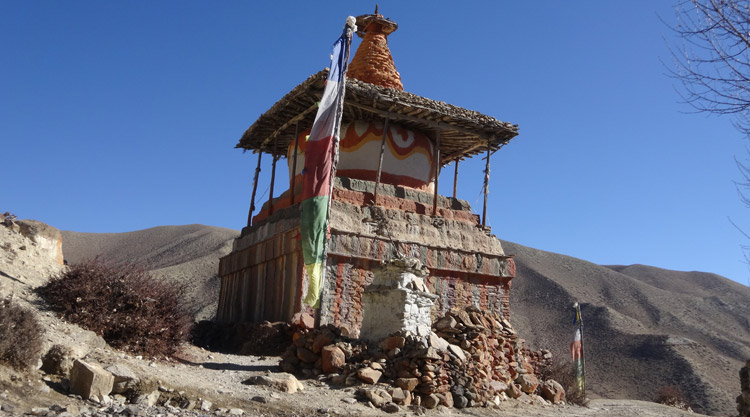
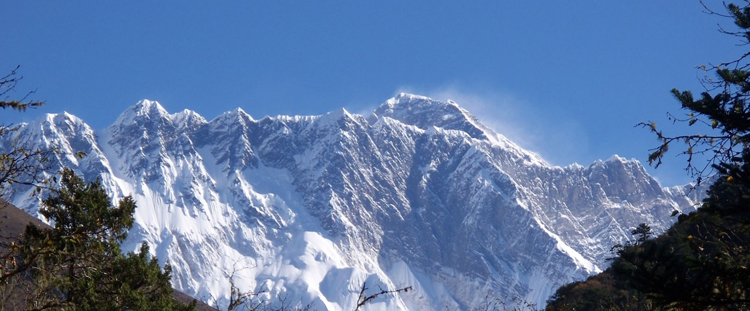
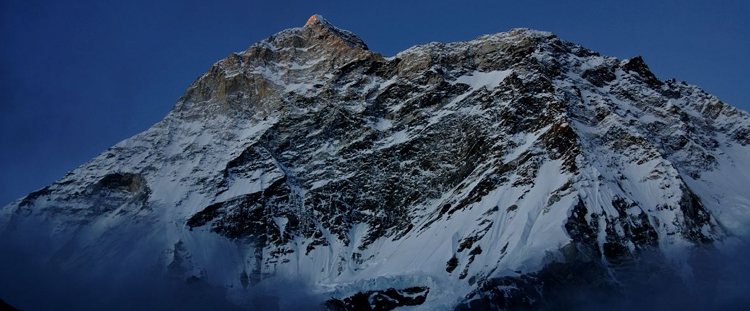
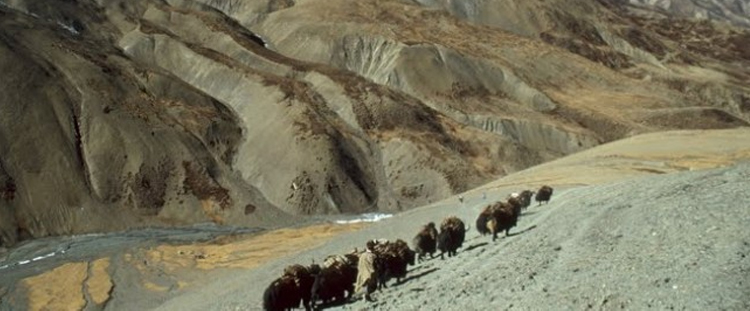
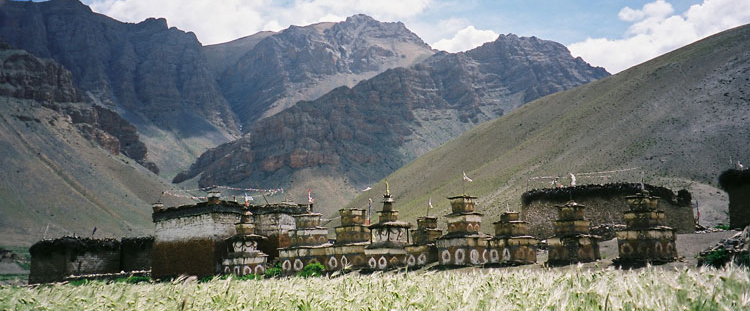
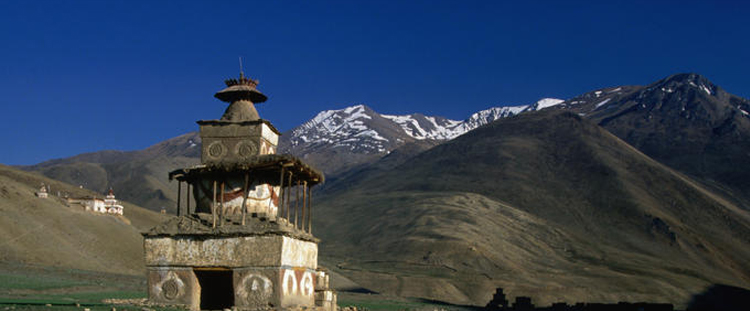
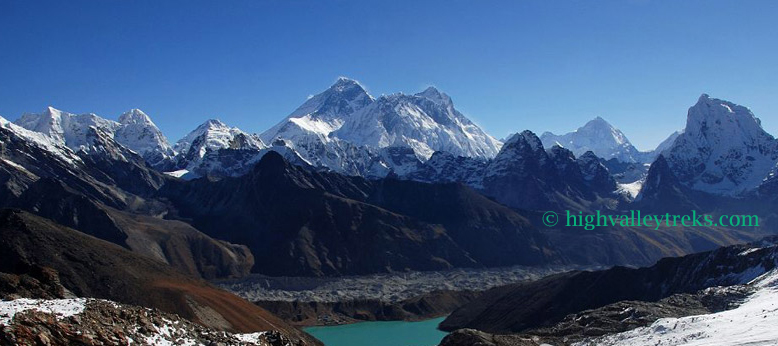
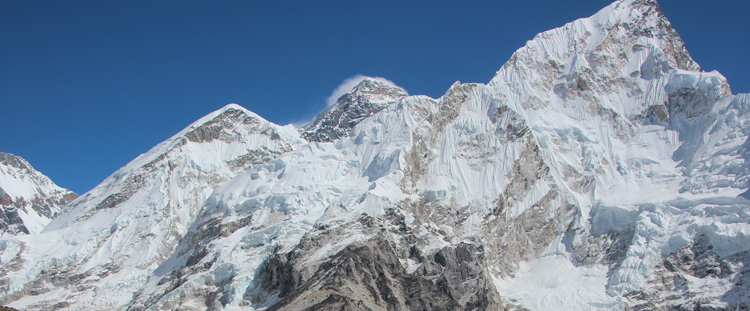
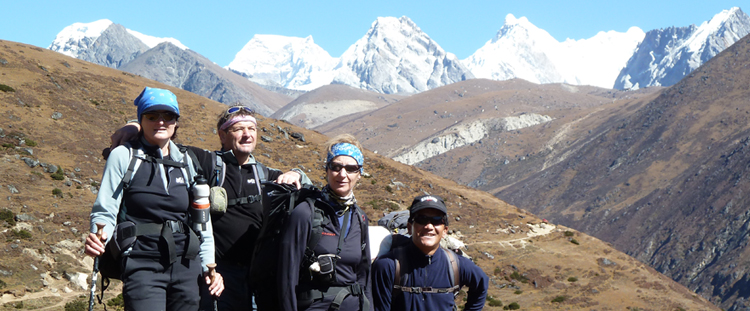
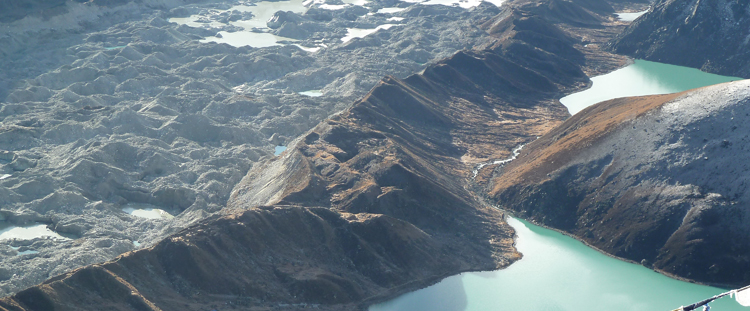
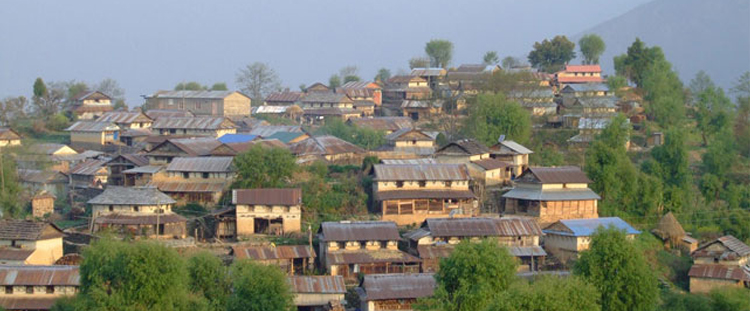
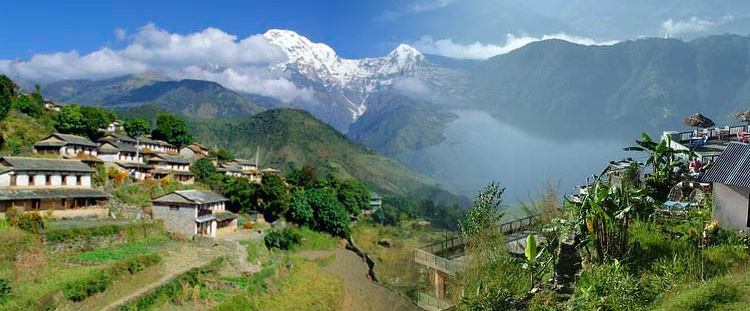
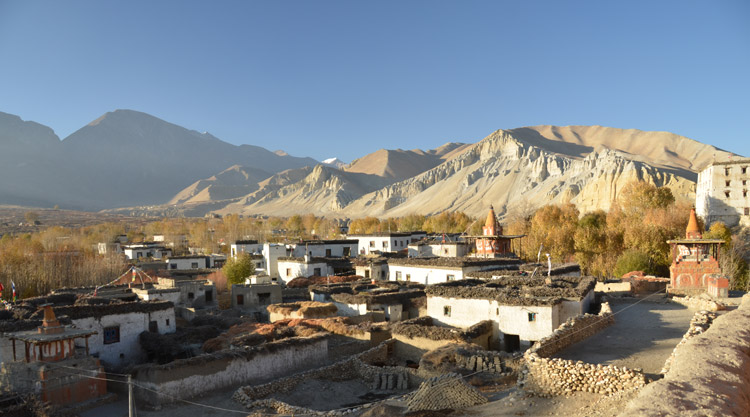
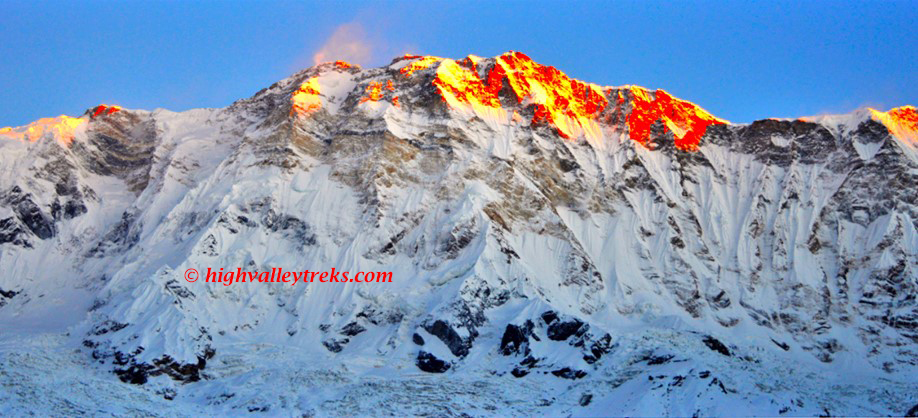
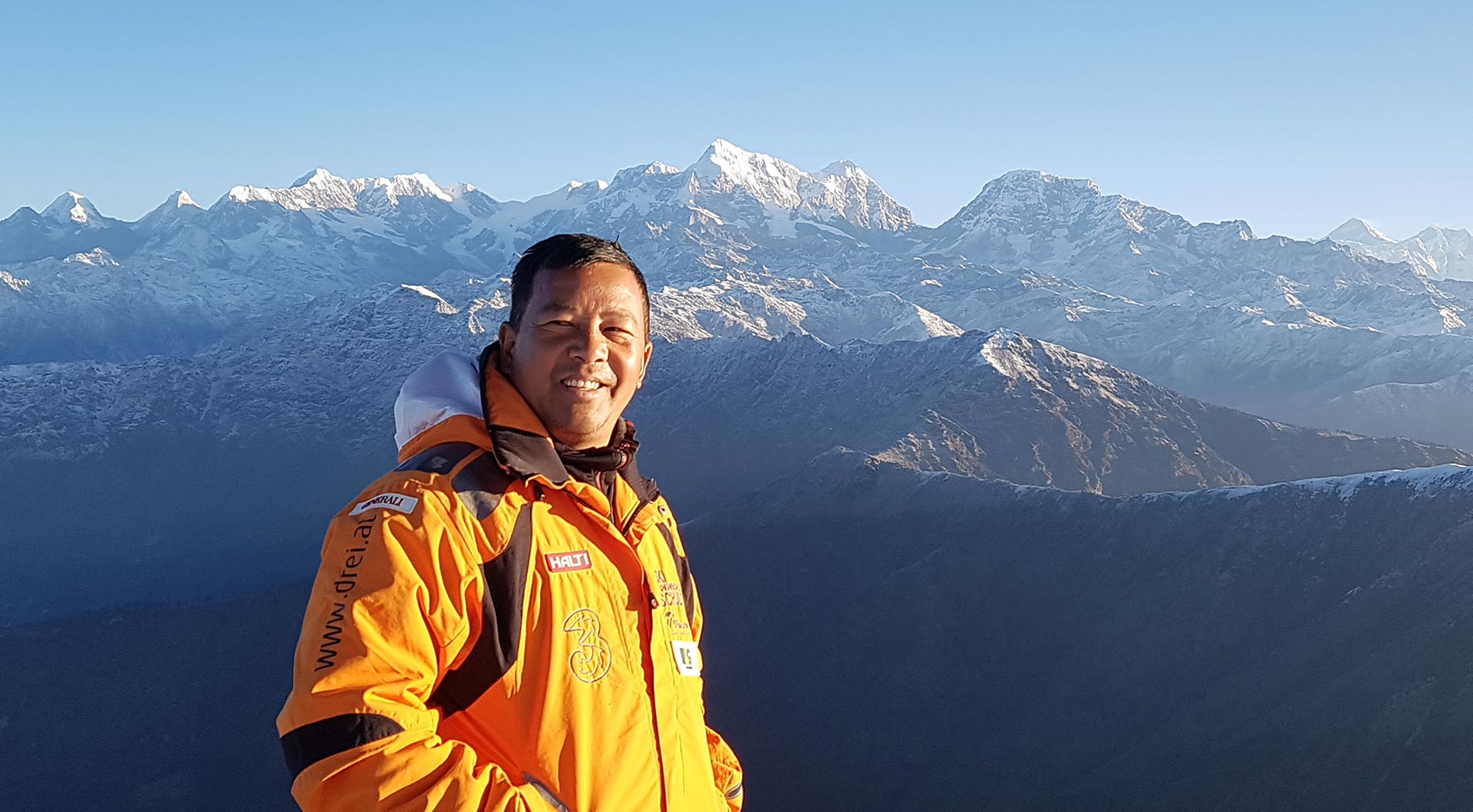
Upper Dolpo trekking is remote hidden trekking destination in Nepal where Nepal’s most tranquil and natural beauty is still unexplored.. Dolpo is located inside the Shey – Phoksundo National Park of mid-western Nepal, behind the Dhaulagiri massif, towards the Tibetan Plateau. Dolpo Trek / Trekking in Dolpo region is a memoriable trekking which cannot be forgotten easily. As it is in the isolated part of Nepal, there the nature seems to have remained exactly the same as it was first created- unharmed and unaltered.It is undisturbed and preserved for centuries. Blue sheep, leopards and other interesting Himalayan animals are still there in this region.
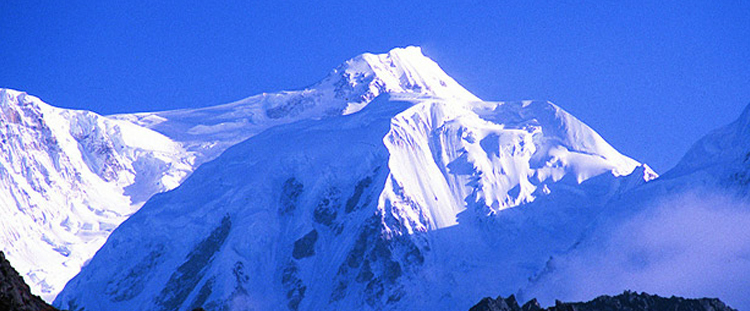
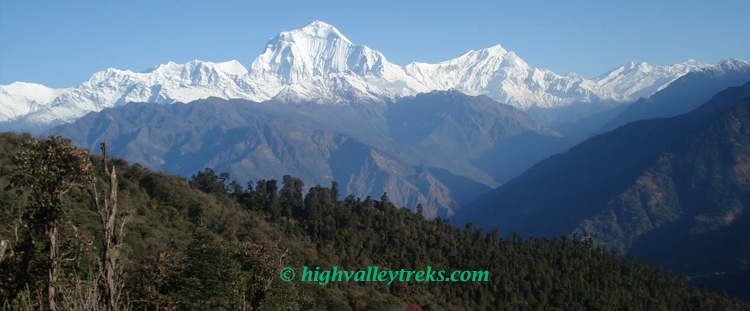
Dolpo region trekking is the natural embodiment of high passes, rare flora and fauna, and sweeping vistas, which is enriched by the traditional Tibetan cultural heritage. To trek on Dolpo region is quite an experience of life. The view of Kanjiroba peak, Phoksumdo Lake, and the Dhauligiri massif is one of the most rewarding moments of the upper dolpa trekking. A visit to the Phoksumdo Gompa dedicated to the ancient Bonpo religion, local to Dolpo and Tibet, is a memorable experience in Himalayan kingdom of Nepal. Upper Dolpo trekking is famous for deepest Lake Phoksundo in entire Himalayan Region.
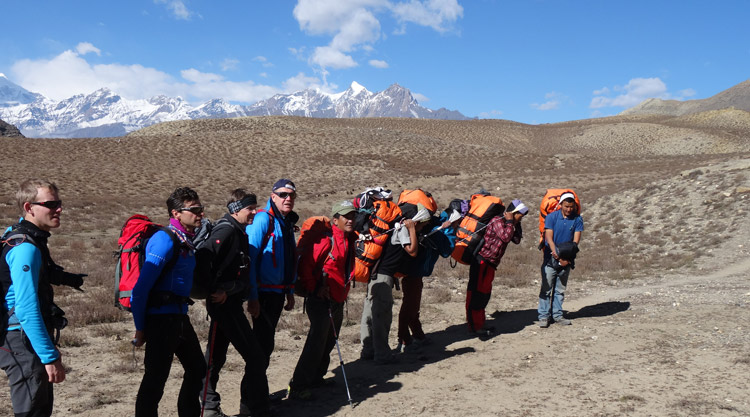
Mother Nature created a unique and wonderful treasurer like Dolpo, which is the shelter of many rare alpine living beings. Trek to Dolpo has often been called the Nepal Himalaya pilgrimage trekking and hidden valley trek created by Guru Rinpoche. Upper Dolpo trek is most suitable for those who are exceptionally fit and prepared to face the full challenge of the Himalayan wilderness and well-organized camping trekking , trekking in group is recommended and special trekking permit is required, which you can obtain through Government registered trekking company of Nepal.
Essential Information
Visa Information
Immigration Offices, under Department of Immigration have been facilitating tourists flying to Nepal by providing Visa on Arrival. 'On Arrival' visa procedure is very quick and simple. You can expect some queues during peak Tourist season. If you wish to skip those queues, you can also consider getting Visa from Nepalese Diplomatic Missions stationed abroad prior to your arrival. Choice is yours.
If you have obtained visa from Nepalese Diplomatic Missions, then you must enter Nepal within six months from the visa issued date. Your total stay is counted starting from the day you enter into Nepal.
Visas obtained on Arrival at the Entry and Exit points are 'Tourist Visas'. They bear multiple Re entry facility. Tourist Visa 'On Arrival' is the only entry visa to Nepal. If you are visiting Nepal for the purposes other than Tourism (sightseeing, tour, travel, mountaineering, trekking, visiting friends and families), you should still get ' Tourist Visa' to get into the country. However, you must change the category of visa as per your purpose and length of stay in Nepal from Department of Immigration by producing required documents.
Useful Tips:
A travel insurance policy that covers medical treatment is recommended for all tourists.
Similarly, we recommend you to make sure that the insurance covers activities such as trekking, hiking, adventure activities, rafting etc. that you will be undertaking during your stay in Nepal
Getting special vaccinations is not necessary when visiting Nepal.
We still recommend that you consult with your physician regarding special immunizing against any tropical disease.
It may be a good idea to get a complete checkup before departure.
We recommend that you undertake training programs to be physically fit if you plan to go high-altitude trekking or mountaineering when you’re visiting Nepal.
Please read up on altitude sickness (AMS) , diarrhea, Giardia, Dysentery, Cholera, Hepatitis, Rabies, Typhoid, Tetanus, Meningitis, Diphtheria, Malaria and HIV/ AIDS. Information and little precautions can often save lives.
Always make sure that your water is clean by opting for boiled and then cooled water, treated water or sealed water from a brand.
Always carry a bottle of water when trekking or venturing off away from the city/ town.
Please do not swim in lakes and water bodies, especially where depth and vegetation are not known.
Always carry and use mosquito repellant when in Terai region or during the summer.
Please have a handy medical first aid kit ready for any situation.